
Introduction
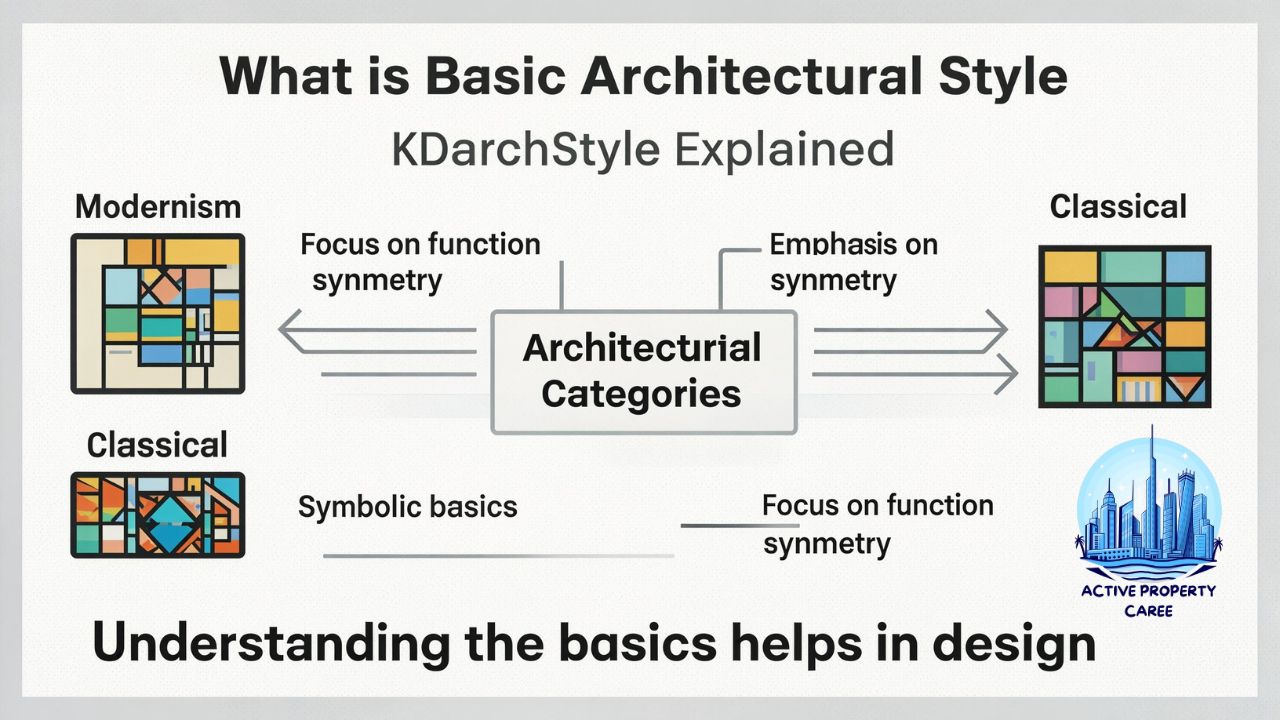
Architecture often feels intimidating at first glance—grand words, complex drawings, and theories that seem reserved for professionals. In reality, many buildings around us follow simple, understandable ideas. That’s exactly where what is basic architectural style kdarchistyle becomes relevant for everyday readers.
At its core, this concept focuses on clarity, function, and visual balance rather than over-decoration. It explains how thoughtful design choices shape homes, offices, and public spaces without unnecessary complexity.
If you’ve ever wondered why some buildings feel calm, practical, and timeless while others feel chaotic, this article will walk you through the logic behind basic architectural thinking—step by step, in plain language.

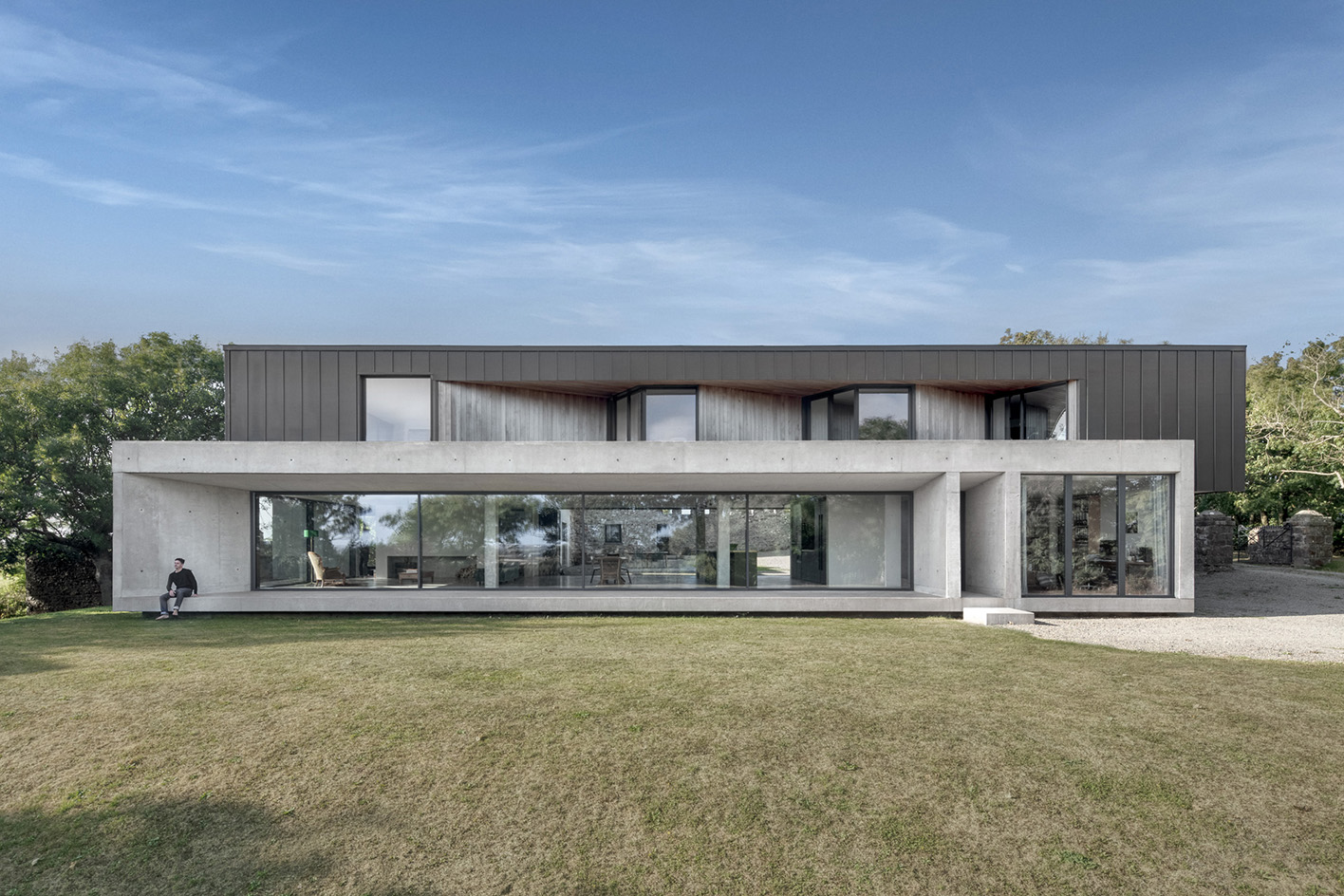
Table of Contents
Understanding What Is Basic Architectural Style KDArchiStyle
Origins and Philosophy of Basic Architectural Style
Core Principles Behind Basic Architectural Design
Key Elements Used in Basic Architectural Style
How KDArchiStyle Interprets Architectural Simplicity
Real-Life Examples of Basic Architectural Style
Benefits and Limitations of Basic Architectural Style
Basic Architectural Style in Modern Construction
Difference Between Basic and Complex Architectural Styles
How to Identify Basic Architectural Style in Buildings
Understanding What Is Basic Architectural Style KDArchiStyle
When people ask what is basic architectural style kdarchistyle, they are usually looking for a grounded explanation of architecture stripped to its essentials. This style emphasizes function first, followed closely by proportion, material honesty, and spatial clarity.
Rather than chasing trends, it relies on timeless design rules. Walls exist to define space, openings exist for light and movement, and materials are used in ways that respect their natural qualities. Nothing is added without a reason.
In practical terms, this approach avoids unnecessary ornamentation. The result is architecture that feels logical, readable, and comfortable—especially for users who live or work inside these spaces daily.
Origins and Philosophy of Basic Architectural Style
Basic architectural thinking didn’t appear overnight. It evolved as a response to excessive decoration in historical architecture. During the early modern era, architects began questioning whether beauty required complexity.
This shift led to a philosophy where form followed function. Buildings were designed around human needs—light, airflow, movement, and purpose—rather than symbolic decoration. Over time, this mindset shaped educational architecture, housing projects, and civic buildings worldwide.
KDArchiStyle builds on this philosophy by translating it into a modern, easy-to-understand framework for today’s designers and learners.
Core Principles Behind Basic Architectural Design
At the heart of what is basic architectural style kdarchistyle are a few fundamental principles that guide every design decision.
- Function over decoration
- Clear spatial organization
- Balanced proportions
- Honest use of materials
- Simplicity without emptiness
These principles don’t limit creativity. Instead, they create a strong foundation that allows creativity to emerge naturally. In reality, constraints often lead to better design choices.
Key Elements Used in Basic Architectural Style
Basic architectural style relies on recognizable elements that work together cohesively.
Structural clarity: Columns, beams, and walls are visible and understandable.
Simple geometry: Rectangles, squares, and clean lines dominate layouts.
Natural light: Windows are placed intentionally, not randomly.
Neutral materials: Concrete, wood, steel, and glass are used thoughtfully.
Each element serves a purpose. There’s no visual noise, which makes spaces feel calm and intuitive.
How KDArchiStyle Interprets Architectural Simplicity
KDArchiStyle reframes simplicity as intelligence, not lack of effort. It teaches that good architecture doesn’t shout—it communicates quietly through proportion and logic.
This interpretation encourages designers to ask better questions: Does this wall need to exist? Is this corridor necessary? Can one space serve multiple functions?
By focusing on these questions, KDArchiStyle helps avoid over-designed structures that look impressive but function poorly.
Real-Life Examples of Basic Architectural Style
You can spot basic architectural style in many everyday places.
Residential homes with open plans and clean facades often follow this logic. Schools and hospitals prioritize navigation clarity and daylight. Even small commercial spaces like cafés use basic architectural principles to feel welcoming and efficient.
In reality, some of the most loved buildings are not iconic landmarks—they’re places that simply work well for their users.
Benefits and Limitations of Basic Architectural Style
Like any approach, what is basic architectural style kdarchistyle has strengths and trade-offs.
Benefits:
- Timeless appearance
- Lower construction and maintenance costs
- User-friendly spaces
- Easier future modifications
Limitations:
- May feel too plain for some tastes
- Requires strong design discipline
- Poor execution can feel boring
That said, when done correctly, simplicity often ages better than complexity.
Basic Architectural Style in Modern Construction
Modern construction techniques align naturally with basic architectural ideas. Prefabrication, modular design, and sustainable materials all benefit from simplicity and clarity.
Today’s architects use these principles to design energy-efficient buildings that reduce waste and improve comfort. This makes basic architectural style not just aesthetic, but environmentally responsible.
Difference Between Basic and Complex Architectural Styles
Complex architectural styles often rely on layered forms, decorative facades, and symbolic elements. They can be visually striking but sometimes harder to maintain or use.
Basic architectural style focuses on experience rather than spectacle. The building may not demand attention, but it consistently supports daily life. That’s a critical distinction many designers overlook.
How to Identify Basic Architectural Style in Buildings
You can recognize this style by asking simple questions while observing a building.
Does the layout feel intuitive? Are materials used honestly? Is decoration minimal but intentional? If the answer is yes, you’re likely looking at a structure influenced by what is basic architectural style kdarchistyle.
FAQ Section
What is basic architectural style kdarchistyle in simple words?
It is an architectural approach that focuses on simplicity, function, and clear design rather than decoration.
Is basic architectural style the same as minimalism?
Not exactly. Minimalism is an aesthetic choice, while basic architectural style is a design philosophy focused on function and structure.
Why is basic architectural style important today?
Because it supports sustainability, cost efficiency, and user comfort in modern buildings.
Can basic architectural style be used in luxury homes?
Yes. Many luxury homes use simple forms and high-quality materials to achieve elegance through restraint.
Does basic architectural style limit creativity?
No. It channels creativity into problem-solving and thoughtful design decisions.
How does KDArchiStyle help beginners learn architecture?
KDArchiStyle simplifies architectural concepts into understandable principles without heavy technical jargon.
Is basic architectural style suitable for commercial buildings?
Absolutely. Offices, shops, and public buildings benefit greatly from clear layouts and functional design.
Conclusion
Understanding what is basic architectural style kdarchistyle helps demystify architecture for everyone, not just professionals. It shows that good design doesn’t depend on complexity, but on clarity, purpose, and human experience.
When buildings are designed with intention and restraint, they age gracefully and serve people better. In a world filled with visual noise, basic architectural style quietly proves that less—when done right—truly is more.