Home improvement often starts with small decisions: repainting a marked wall, fixing a stiff door, clearing an overgrown path, or repairing a loose fence panel. These jobs may look ordinary, but they shape how a property ages. Most houses lose value quietly, through delayed repairs, tired finishes, and outdoor areas nobody checks until they already look neglected.
A property usually reveals its condition in the details. Chipped trim, poor lighting, damaged sealant, swollen doors, slippery paths, and untidy planting all create the same impression: maintenance has fallen behind. Clean finishes and orderly outdoor areas send a different message. They suggest that the owner deal with problems early, before small wear turns into larger damage.
That is why interior work and garden care matter beyond appearance. They protect comfort, function, curb appeal, and future value. A well-kept property feels easier to live in, easier to rent, easier to sell, and easier to trust.
What Makes Property Care Valuable Over Time
Property care works best as a routine, not a rescue mission before sale or valuation. The aim is not to chase every design trend. The real aim is to keep the house practical, presentable, and protected from avoidable deterioration. Several areas usually shape long-term value:
- Interior condition. Repainted walls, clean finishes, repaired trim, and working fixtures make rooms feel properly maintained. People notice these details quickly, even when they cannot explain why one space feels better than another.
- Functional improvements. Storage, lighting, fitted wardrobes, and small carpentry decisions decide whether rooms feel useful or constantly improvised. A house gains practical value when everyday spaces work without friction.
- Garden appearance. Lawns, planting, patios, fencing, decking, and paths frame the property before anyone steps inside. Outdoor care affects first impressions, street appeal, and the overall sense of order.
- Preventive repairs. Small problems rarely stay small forever. Loose tiles, cracked sealant, damp patches, broken panels, and worn surfaces often become more expensive when owners delay them.
- Seasonal maintenance. Rain, heat, frost, and heavy use expose weak points. Regular checks help owners spot damage early and schedule work before it spreads.
- Long-term planning. A maintained property supports daily comfort, but it also protects an important asset. That asset can influence future choices around resale, rental income, savings, or retirement planning.
How Interior Updates Help Preserve a Home’s Value
Interior updates carry real weight because people judge property condition from the inside every day. Walls, flooring, doors, lighting, storage, and small repairs all shape the way a house feels. Minor defects also change how people read the whole property. A buyer who notices chipped paint, sticking doors, old sealant, and broken handles may start wondering what else the owner ignored, even when the main systems remain sound.
Useful improvements do not always require major renovation. Repainting marked walls, replacing tired handles, repairing cracked trim, improving lighting, and adding better storage can change the impression of a room quickly. Fitted wardrobes, built-in shelving, and utility spaces help rooms work harder without adding square footage. The strongest interior updates solve real problems: they make the house easier to use, easier to clean, and easier to trust.
Why Garden Care Matters for Curb Appeal
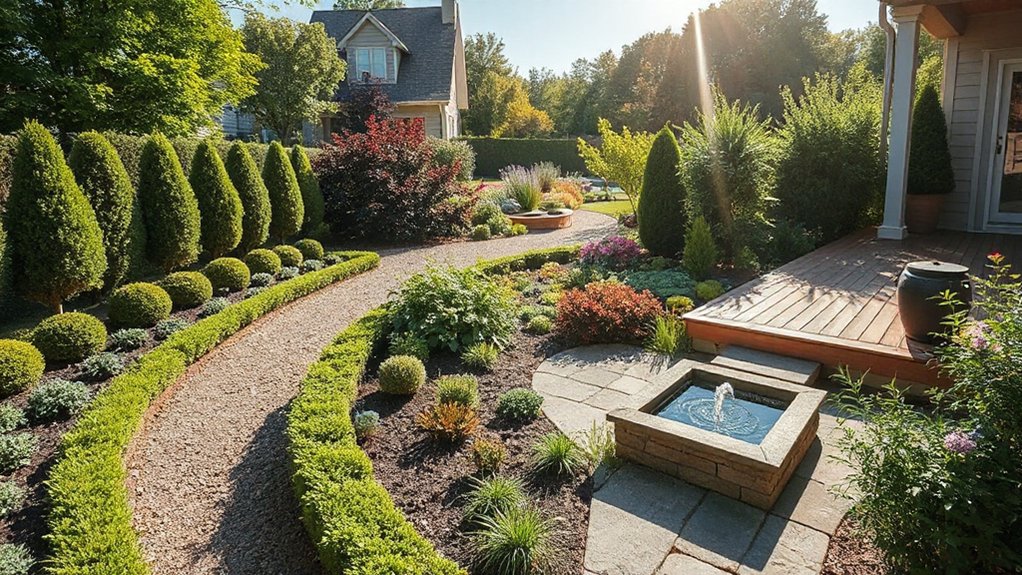
The garden creates the first judgment of a property. It sets expectations before the front door opens. A clear path, trimmed planting, stable fence, healthy lawn, and clean patio create a sense of care. An overgrown garden does the opposite. It makes people wonder what else has been left too long.
Outdoor areas also add usable space. A tidy patio, seating area, lawn, or planted corner can make a property feel larger and more livable. This matters especially when people want flexible space for family life, pets, remote work, or entertaining. A garden should feel like part of the home, not leftover land around it.
Good garden care prevents practical problems, too. Overgrown plants can trap moisture against walls and fences. Slippery paths can create safety risks. Damaged gates affect privacy and security. Poor drainage can create bigger issues after heavy rain. In this sense, gardening belongs inside property maintenance, not outside it.
Where Home Care Meets Long-Term Financial Planning
A property gives people a place to live, but it also forms part of their long-term financial position. That does not mean every repair should revolve around resale value. Comfort still matters. Yet owners make better decisions when they understand how regular maintenance protects future options.
A well-maintained house gives the owner more flexibility. It may support a stronger resale position, a better rental presentation, or a smoother valuation process. It can also reduce the chance of sudden repair costs that disrupt household budgets. Maintenance cannot remove every risk, but it helps owners control the problems they can see coming.
The same logic applies to long-term financial planning. Property value can support future security, but it should sit beside savings, retirement income, and other assets. Homeowners thinking through that wider picture can explore retirement planning insights from LBC Capital when comparing savings goals, future income, and broader financial security.
The connection is practical rather than dramatic. A neglected property loses strength over time. A neglected financial plan does the same. Both require attention before pressure builds.
Property care works best when owners treat it as steady asset protection. Routine repairs, thoughtful interior updates, seasonal checks, and controlled outdoor spaces all help preserve value over time. The result is a property that feels better today and holds stronger options for tomorrow.