Introduction
You’ve probably come across the term epormsr and wondered what it actually means—or why people are suddenly talking about it. You’re not alone. This concept has been quietly gaining traction, and those who understand it early often gain a serious advantage.
At its core, epormsr represents more than just a buzzword. It reflects a shift in how systems, platforms, and digital interactions are evolving. Whether you’re running an online business, managing digital assets, or simply trying to stay ahead of trends, understanding this concept can give you a real edge.
The reason this topic matters is simple: markets reward early adopters. If something is shaping how systems work or how users behave, ignoring it isn’t just risky—it’s costly.
Let’s break it down in a way that actually makes sense and gives you something useful to act on.
What Is Epormsr?
Definition and Core Concept
Epormsr can be understood as a structured approach or framework that influences how digital processes, systems, or user interactions are organized and optimized. While the term may seem abstract, its application is very real.
In practical terms, it often involves:
- Streamlining workflows
- Enhancing system efficiency
- Improving user experience
- Integrating multiple processes into a unified model
Think of it as a layer that connects different components into something smarter and more effective. “Discover Techoelite Smart Homes, where innovation meets comfort. Explore cutting-edge home automation solutions designed for modern living, efficiency, and security.”
Why Epormsr Is Gaining Attention
There’s a reason this concept is becoming more relevant:
- Businesses are shifting toward automation
- Users expect faster, smoother experiences
- Data-driven decisions are replacing guesswork
- Systems need to scale without breaking
When all these pressures combine, frameworks like epormsr naturally rise to the surface.

How Epormsr Works in Practice
The Underlying Mechanism
To understand epormsr properly, you need to look at how it functions behind the scenes.
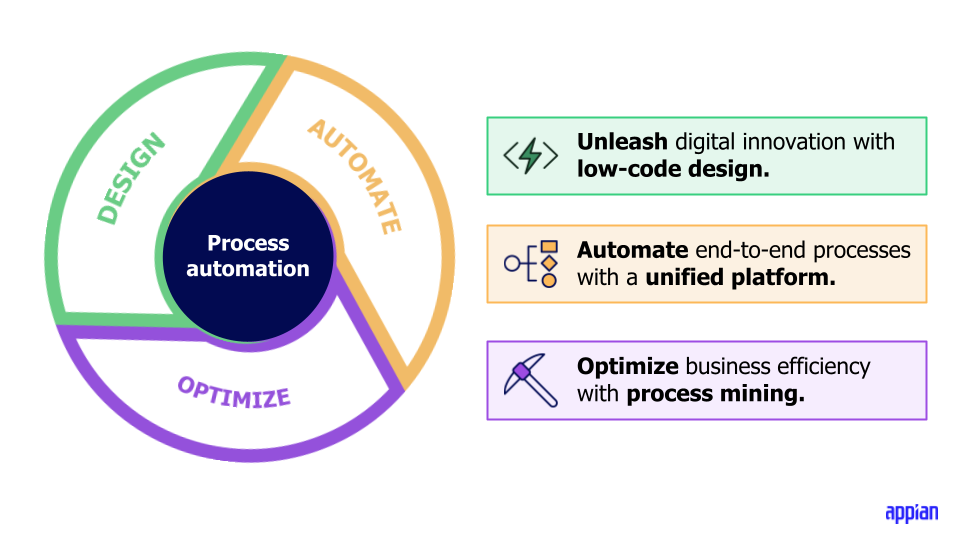
It typically operates through three layers:
1. Input Layer
This is where data, actions, or triggers enter the system.
2. Processing Layer
Here, logic is applied. Rules, automation, and decision-making systems operate.
3. Output Layer
The result is delivered—whether it’s a user experience, a report, or a system response.
Real-World Application Examples
You’ll find epormsr in places you didn’t expect:
- E-commerce checkout optimization
- Customer journey automation
- Content delivery systems
- AI-based recommendation engines
If something feels seamless online, there’s a good chance a structure like this is behind it. Discover beautiful home décor ideas with Home The Spruce inspiration on ddrhomey.com and Wealthybytecom. Explore modern designs, cozy styling tips, and budget-friendly upgrades to transform your living space.
Benefits of Understanding Epormsr
1. Better Decision Making
When you understand how systems are structured, you stop guessing and start optimizing.
2. Increased Efficiency
You eliminate redundant steps and improve output speed.
3. Scalability
Systems built with structured frameworks grow without collapsing.
4. Competitive Advantage
Most people ignore emerging concepts until it’s too late.


Epormsr in Digital Business Strategy
Why It Matters for E-commerce
If you’re in e-commerce, ignoring this concept is a mistake.
Here’s where it directly impacts you:
- Product recommendation systems
- Checkout flow optimization
- Customer retention funnels
- Inventory automation
Every one of these can either make or break your revenue.
Practical Implementation Steps
If you want to actually use epormsr instead of just understanding it, start here:
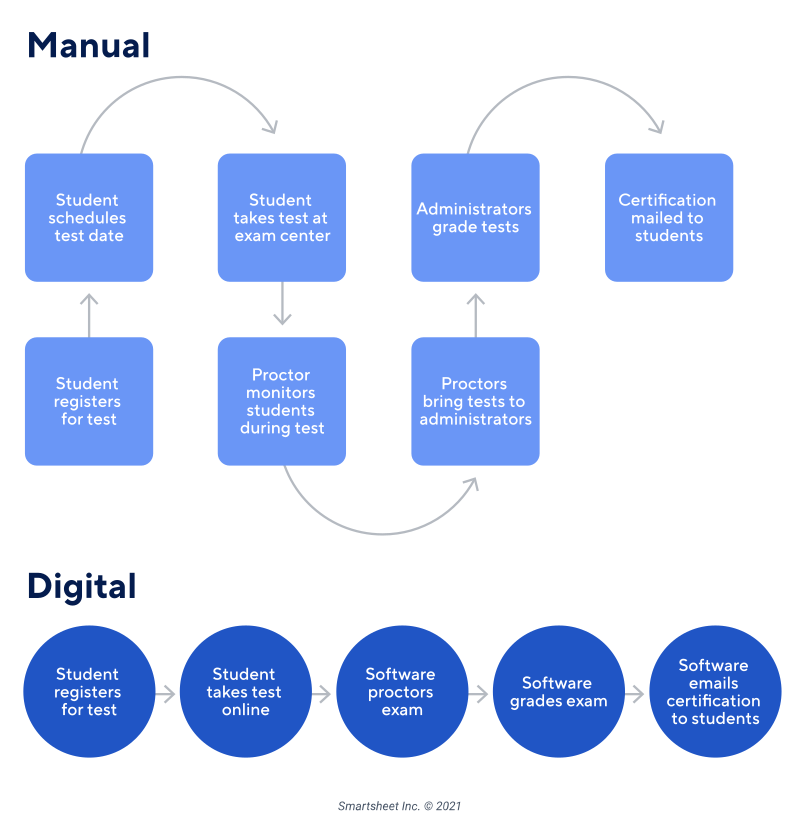
- Map your current workflows
- Identify bottlenecks
- Automate repetitive tasks
- Integrate systems instead of isolating them
- Continuously optimize based on data
No shortcuts here. Either you build systems properly, or you deal with inefficiencies forever.
Common Misconceptions About Epormsr
“It’s Just Another Trend”
Wrong. Trends fade. Structural frameworks evolve and stay.
“Only Large Businesses Need It”
Also wrong. Smaller operations benefit even more because they can adapt faster.
“It’s Too Technical”
That’s just an excuse. The concept is logical once broken down.
Challenges and Limitations
Implementation Complexity
Setting up structured systems takes effort. If you expect instant results, you’ll fail.
Learning Curve
You need to understand workflows, systems, and integration—not just surface-level tools.
Maintenance
Systems require updates and monitoring. Neglect leads to breakdown.
Future of Epormsr
This is where things get interesting.
As technology evolves, epormsr will likely expand into:
- AI-driven decision frameworks
- Predictive automation
- Personalized user ecosystems
- Fully integrated digital environments
In simple terms: systems will think ahead instead of reacting.



How to Leverage Epormsr Effectively
Focus on Systems, Not Tools
Most people chase tools. Smart operators build systems.
Optimize for Users First
If your system doesn’t improve user experience, it’s useless.
Measure Everything
If you can’t measure it, you can’t improve it.
Advanced Insights for Professionals
Integration Is the Real Game
Disconnected tools kill efficiency. Integration multiplies output.
Automation Without Strategy Fails
Automating a broken process just makes it faster at failing.
Data Is the Backbone
Every decision should come from actual data—not assumptions.
FAQ
Frequently Asked Questions
What exactly does epormsr mean?
It refers to a structured system or framework that improves efficiency, integration, and workflow optimization across digital processes.
Is epormsr relevant for small businesses?
Yes. Smaller businesses can implement it faster and gain a competitive edge quickly.
How can I start using epormsr?
Start by mapping your processes, identifying inefficiencies, and gradually integrating automation and system improvements.
Does epormsr require technical skills?
Basic understanding helps, but you don’t need to be a developer. Strategic thinking matters more.
Can epormsr improve customer experience?
Absolutely. Better systems lead to smoother, faster, and more personalized interactions.
Is epormsr related to automation?
Yes, but it goes beyond automation. It focuses on how systems are structured and optimized.
What industries benefit the most from epormsr?
E-commerce, SaaS, digital marketing, and any data-driven business benefit significantly.
How long does it take to see results?
Depends on implementation. Some improvements are immediate, others take time.
Conclusion
Ignoring structural improvements in how systems work is one of the biggest mistakes businesses make today. Whether you’re managing an online store, scaling a digital platform, or optimizing workflows, understanding epormsr gives you a clear advantage.
The difference between average and high-performing operations isn’t effort—it’s structure. And that’s exactly where this concept fits in.
If you want better results, stop focusing on quick wins and start building systems that actually work.