Introduction
A single image can completely change the way you see your home. The right home interior pictures don’t just show furniture and paint—they tell stories, spark ideas, and quietly challenge you to imagine something better for your own space.
Whether you’re planning a renovation or simply rearranging your living room, visuals matter. Seeing real, beautifully styled rooms helps you understand scale, balance, texture, and color in a way words never could. That’s why so many homeowners, designers, and decorators rely on curated inspiration before making even the smallest change.
In this guide, you’ll discover how to use interior images wisely, how to interpret them like a designer, and how to turn inspiration into a home that feels uniquely yours.
After two paragraphs of inspiration, it’s helpful to pause and observe how powerful visuals can be:


Why Visual Inspiration Shapes Better Interiors
When you browse carefully selected home interior pictures, you begin to notice patterns. Designers consistently layer textures, balance bold elements with calm neutrals, and create focal points that guide the eye. These details may seem subtle at first, but they dramatically affect how a room feels.
Images help bridge the gap between imagination and reality. You might know you want a “cozy” bedroom—but what does cozy truly look like? Is it warm lighting? Plush textiles? Earthy tones? A picture answers that instantly.
Beyond aesthetics, visuals reduce costly mistakes. Choosing paint, flooring, or furniture without seeing how similar elements work together often leads to regret. Studying well-designed rooms helps you anticipate proportions, spacing, and harmony.
Understanding What Makes Great Home Interior Pictures
Not every photo offers useful guidance. The most helpful images combine design clarity with realistic livability.
Composition and Balance
Strong composition means:
- Clear focal points (a fireplace, bed, artwork, or statement sofa)
- Balanced distribution of color and weight
- Thoughtful negative space
When studying home interior pictures, observe where your eye naturally lands first. That focal point anchors the design.
Lighting and Mood
Lighting determines atmosphere. Natural light creates openness and calm, while layered artificial lighting adds warmth and depth.
Pay attention to:
- Window placement
- Reflection from surfaces
- Shadow softness
- Color temperature
Images with soft daylight often feel serene, while dramatic lighting creates luxury or intimacy.
Living Room Inspiration: Creating a Space That Feels Alive
The living room is often the heart of the home. It’s where guests gather and families unwind. Browsing living-room-focused home interior pictures can reveal countless styling directions.
Modern Minimalist Living Rooms
Minimalism is about intentional simplicity, not emptiness. Notice in minimalist spaces:
- Neutral palettes (whites, beiges, greys)
- Clean-lined furniture
- Limited but impactful decor
- Hidden storage solutions
The result is calm, breathable space.
Cozy Contemporary Spaces
If minimal feels too stark, contemporary cozy blends softness with structure:
- Textured rugs
- Layered throw pillows
- Accent lighting
- Natural materials like wood and linen
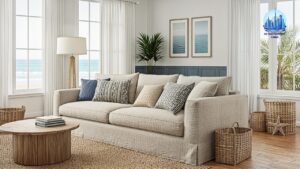
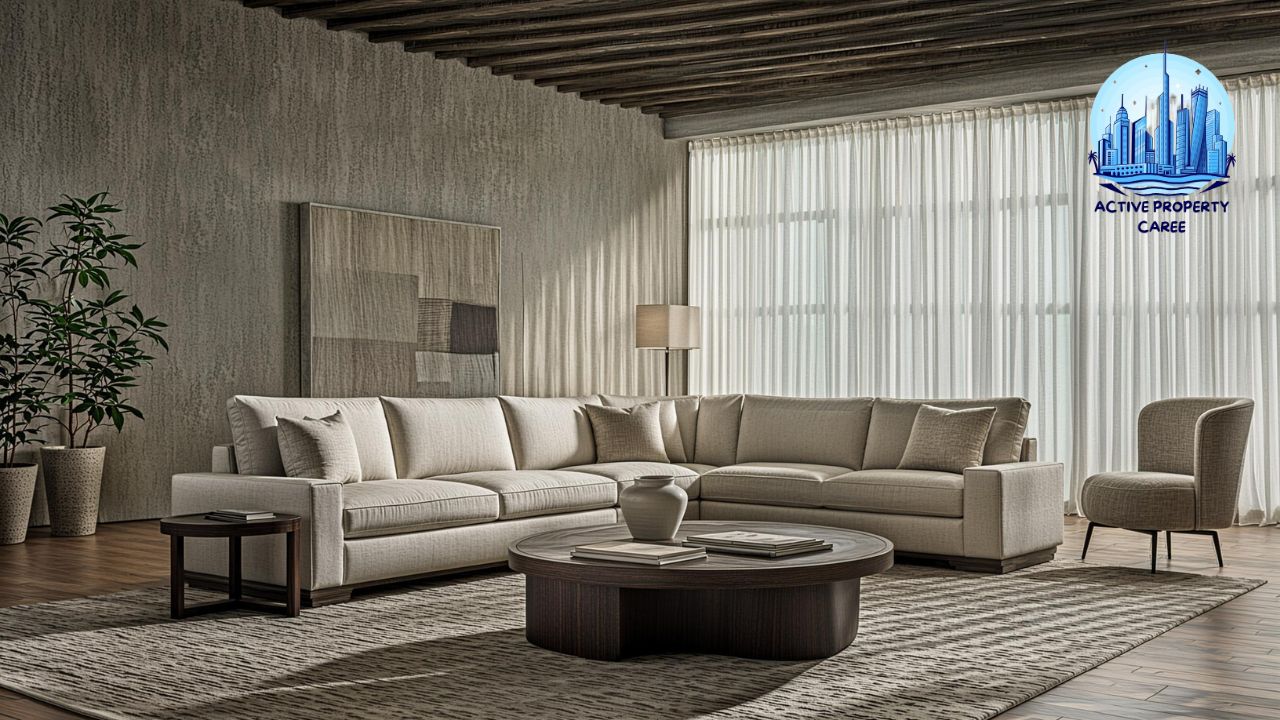
After exploring two detailed living-room styles, here’s a visual contrast between minimal and cozy approaches:


Notice how both styles feel inviting—but for different reasons.
Bedroom Design: Comfort Meets Personality
Bedrooms demand a more intimate design approach. The best bedroom-focused home interior pictures emphasize tranquility without sacrificing character.
Layering Textures for Warmth
Texture adds depth even in neutral spaces:
- Upholstered headboards
- Quilted bedding
- Knit throws
- Area rugs
A monochrome bedroom becomes visually rich through texture alone.
Statement Headboards and Accent Walls
A strong headboard or painted accent wall can anchor the entire room. Look for images that demonstrate proportion—oversized elements can work beautifully if balanced correctly.
When studying bedroom inspiration:
- Check scale relative to ceiling height
- Observe bedside symmetry
- Note lighting placement for functionality
Kitchen and Dining Areas: Where Style Meets Function
Kitchens must balance beauty with practicality. That’s why reviewing kitchen-based home interior pictures is especially important before renovations.
Cabinet Colors and Finishes
Trends evolve, but timeless elements remain:
- Matte white cabinets for brightness
- Navy or deep green for drama
- Natural wood for warmth
Observe how hardware and backsplash choices complement cabinetry.
Open Shelving vs. Closed Storage
Open shelving creates display opportunities but requires careful styling. Closed cabinetry ensures visual calm.
Ask yourself:
- Do I prefer curated displays or clutter-free surfaces?
- How much daily maintenance am I willing to commit to?
Small Spaces: Making Every Inch Count
Compact homes benefit immensely from visual planning. The right home interior pictures for small spaces demonstrate how to expand perception without increasing square footage.
Mirrors and Reflective Surfaces
Mirrors bounce light and create depth. Glossy finishes amplify brightness.
Multi-Functional Furniture
Look for examples of:
- Sofa beds
- Extendable dining tables
- Storage ottomans
- Wall-mounted desks
Small-space images often reveal creative layout tricks you might not consider on your own.
Color Psychology in Interior Imagery
Color influences mood more than any other design element.
Neutral Foundations
Beige, cream, and soft grey provide timeless versatility.
Bold Accent Palettes
Accent colors—mustard, emerald, terracotta—inject personality without overwhelming the space.
The most compelling home interior pictures balance boldness with restraint.
Here’s a visual example of how color transforms mood:


The infographic illustrates how different tones influence emotional responses.
Luxury vs. Budget Design: What Images Don’t Always Show
Many curated interiors appear high-end—but not every detail requires a luxury budget.
Where to Invest
- Sofas and mattresses
- Lighting fixtures
- Flooring
Where to Save
- Decorative accessories
- Accent chairs
- Trend-driven decor
Well-selected home interior pictures can help you distinguish structural investments from surface styling.
How to Translate Inspiration Into Your Own Home
Looking at beautiful rooms is enjoyable—but action is what transforms spaces.
Step 1: Identify Patterns
Instead of saving random images, identify recurring elements:
- Similar color palettes
- Repeated furniture shapes
- Lighting styles
Step 2: Create a Mood Board
Combine 5–10 cohesive images. This clarifies your direction and prevents mismatched purchases.
Step 3: Adapt, Don’t Copy
Your home’s layout, lighting, and architecture are unique. Use inspiration as a foundation—not a blueprint.
Mistakes to Avoid When Using Interior Inspiration
Even the best home interior pictures can mislead if misinterpreted.
Common pitfalls include:
- Ignoring scale
- Overcrowding small spaces
- Choosing style over comfort
- Following trends without considering longevity
Balance inspiration with practicality.
FAQ
What makes home interior pictures useful for design planning?
They provide visual clarity about color coordination, furniture placement, and spatial balance—making abstract ideas tangible.
How many inspiration photos should I collect before redecorating?
Aim for 10–20 cohesive images. Look for patterns rather than isolated styles.
Are professional interior photos realistic for everyday homes?
Some are staged, but many principles—lighting, proportion, texture—apply universally.
How can I find authentic, lived-in interiors instead of staged ones?
Search for real home tours, renovation diaries, or lifestyle-based interior collections rather than showroom displays.
Do trends in interior photography change often?
Yes. Lighting styles, color palettes, and composition evolve. However, timeless design principles remain consistent.
Should I hire a designer after collecting inspiration images?
If your project is large-scale, sharing curated home interior pictures with a designer helps communicate your vision clearly.
How do I know if a style will suit my home?
Assess architectural compatibility. A rustic farmhouse style may feel forced in a sleek urban apartment.
Can I mix multiple interior styles?
Yes—eclectic design works when there’s a unifying color palette or repeated material theme.
Conclusion
Great interiors rarely happen by accident. They’re shaped by observation, intention, and thoughtful adaptation. Carefully studying home interior pictures helps you recognize what resonates emotionally and practically—so your home reflects both beauty and authenticity.
Inspiration is powerful, but personalization is transformative. Use what you see as guidance, trust your instincts, and create spaces that not only look remarkable—but truly feel like home.