Introduction
Your home isn’t just a place to live—it’s a reflection of who you are. The way your space looks and feels directly impacts your mood, productivity, and even your relationships. That’s where interior design drhomey comes in, blending functionality with personality in a way that actually works for real people—not just magazine covers.
If you’ve ever felt overwhelmed trying to make your home look “put together,” you’re not alone. Most people either overcomplicate design or blindly follow trends that don’t fit their lifestyle. The result? A space that looks good but doesn’t feel right.
This guide breaks things down in a practical, no-nonsense way. You’ll learn how to design your space intelligently—using proven principles, modern ideas, and realistic solutions that actually make sense for your daily life.
What Is Interior Design DrHomey?
Interior design drhomey is a practical, user-focused approach to home design that prioritizes comfort, usability, and clean aesthetics over unnecessary complexity.
Core Philosophy
Instead of chasing trends, this approach focuses on:
- Smart use of space
- Functional layouts
- Balanced color schemes
- Minimal clutter
- Personalized touches
It’s about creating a home that works for you—not impresses strangers for five minutes.
Why Interior Design Matters More Than You Think
Most people underestimate how much their environment affects them.
A poorly designed home can lead to:
- Stress and mental fatigue
- Reduced productivity
- Lack of motivation
- Poor organization
On the other hand, a well-designed space:
- Improves focus
- Boosts mood
- Saves time
- Makes daily life easier
That’s the real power behind interior design drhomey—it’s not decoration, it’s optimization.
The Foundations of Interior Design DrHomey
Space Planning
Before you buy anything, understand your layout.
Good space planning means:
- Furniture placement supports movement
- No wasted corners
- Every item has a purpose


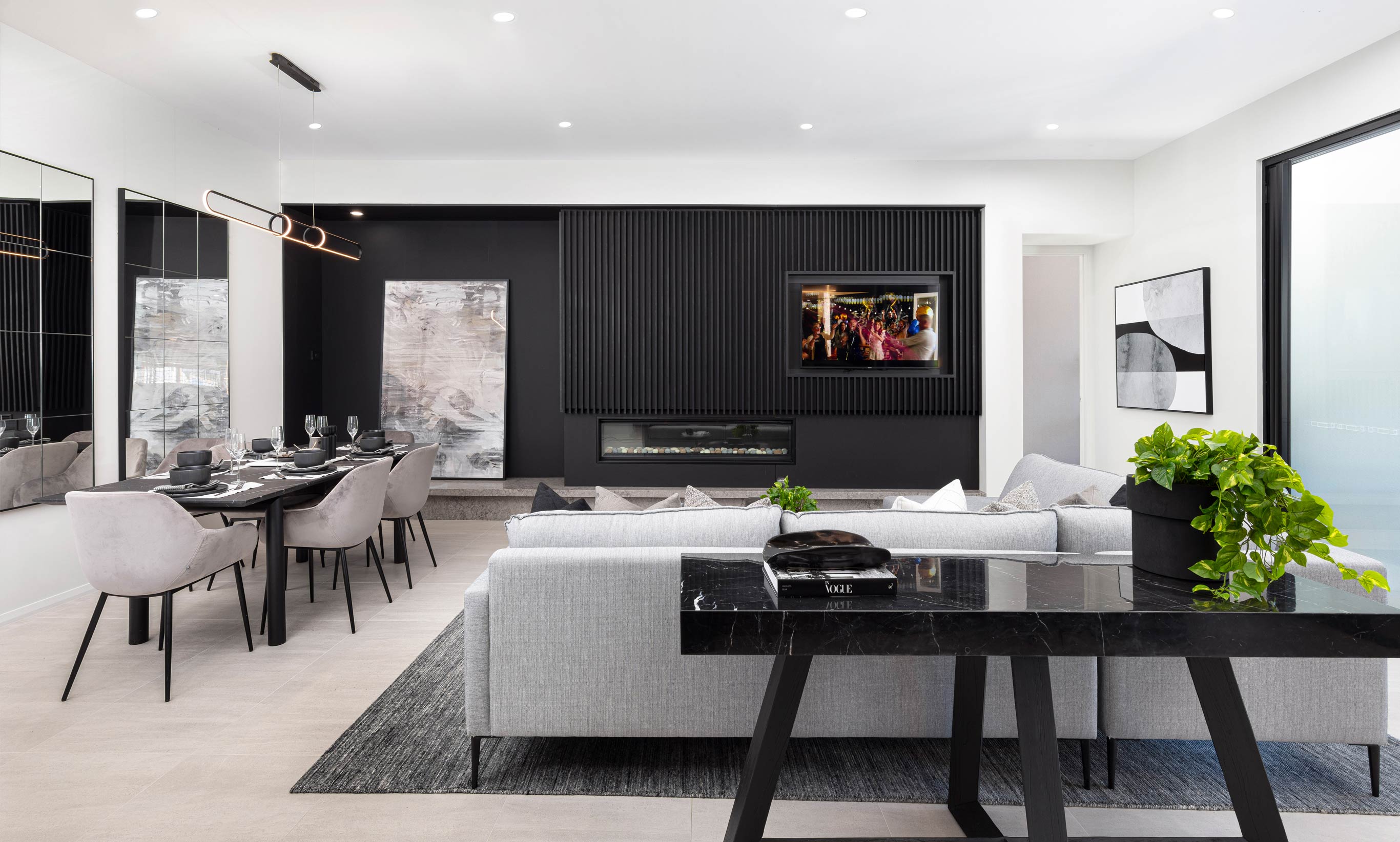
Most people fail here—they buy first, think later. That’s backwards.
Color Psychology
Colors aren’t just visual—they influence how you feel.
- Neutral tones → calm and balanced
- Warm tones → energetic and cozy
- Cool tones → relaxed and focused
The key is consistency. Mixing random colors creates chaos, not style.
Lighting Strategy
Lighting is often ignored, but it’s one of the biggest factors in design.
Use three layers:
- Ambient (main light)
- Task (focused lighting)
- Accent (decorative lighting)
Bad lighting can ruin even the best-designed room.
Interior Design DrHomey for Small Spaces
Small spaces aren’t a limitation—they’re a test of intelligence in design.
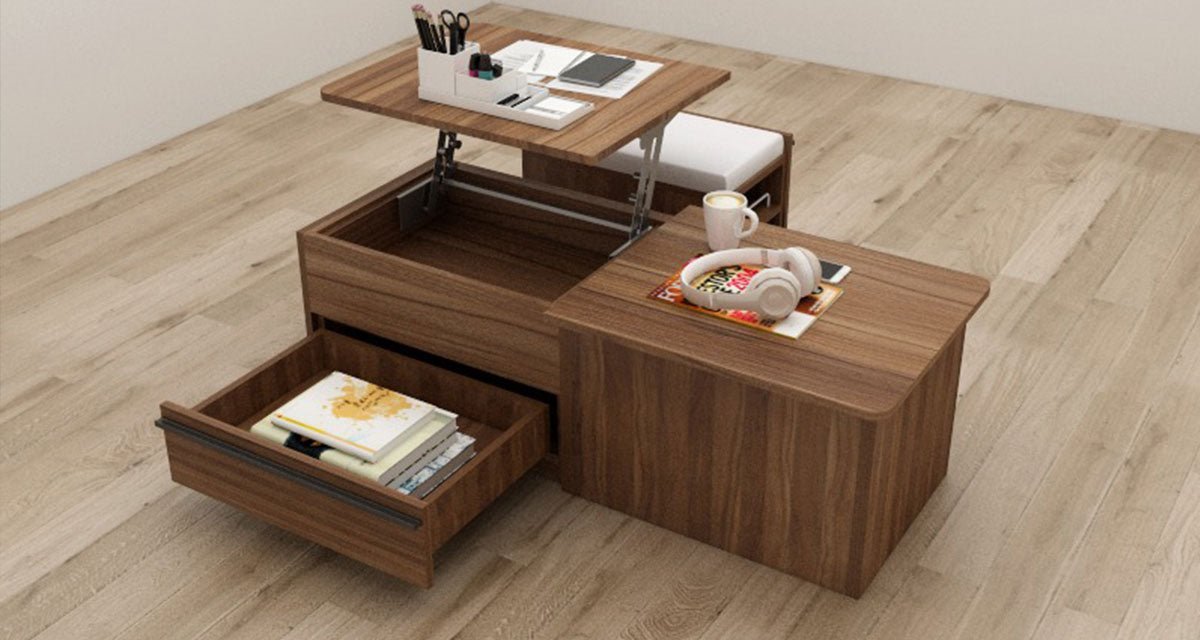
Smart Furniture Choices
Avoid bulky items. Choose:
- Multi-functional furniture
- Foldable designs
- Built-in storage
Visual Expansion Techniques
To make a room feel bigger:
- Use mirrors strategically
- Stick to light color palettes
- Keep floor space visible
Clutter is your biggest enemy here.
Choosing the Right Style
Interior design drhomey doesn’t lock you into one style—it helps you choose what actually fits your life.
Popular Styles That Work
Minimalist
- Clean lines
- Neutral colors
- Less clutter
Modern
- Sleek furniture
- Open spaces
- Functional design
Scandinavian
- Light tones
- Natural materials
- Cozy simplicity
Industrial
- Raw textures
- Metal + wood
- Urban feel
The mistake? Mixing too many styles without direction
Room-by-Room Breakdown
Living Room Design
This is your social hub.
Focus on:
- Comfortable seating
- Balanced layout
- Clear focal point (TV, art, or window)
Avoid overcrowding—it kills both aesthetics and usability.
Bedroom Design
Your bedroom should feel like a reset button.
Key elements:
- Soft lighting
- Neutral tones
- Minimal distractions


If your bedroom feels chaotic, your sleep will suffer.
Kitchen Design
Function beats appearance here.
Focus on:
- Workflow (sink → stove → fridge)
- Storage efficiency
- Easy-to-clean surfaces
A beautiful kitchen that’s hard to use is a failure.
Bathroom Design
Small space, big impact.
Prioritize:
- Clean design
- Smart storage
- Good lighting
Even minor upgrades can transform the space completely.
Common Mistakes to Avoid
Let’s be blunt—most people mess up in predictable ways.
1. Following Trends Blindly
Trends change. Your home shouldn’t feel outdated in six months.
2. Overcrowding Spaces
More furniture ≠ better design.
3. Ignoring Functionality
If it looks good but doesn’t work, it’s useless.
4. Poor Lighting Choices
This alone can ruin everything.
5. Lack of Cohesion
Random styles create visual confusion.
Budget-Friendly Interior Design DrHomey Tips
You don’t need a massive budget to create a great space.
High-Impact, Low-Cost Changes
- Rearrange furniture before buying new
- Add plants for life and color
- Use mirrors to enhance space
- Upgrade lighting fixtures
- Declutter aggressively
DIY Ideas That Actually Work
- Wall art from prints or frames
- Painted accent walls
- Simple shelf installations
Most people waste money because they skip planning.
How to Personalize Your Space
A good design isn’t just functional—it feels like yours.
Add Identity Without Clutter
- Display meaningful items
- Use textures (rugs, cushions, curtains)
- Incorporate your lifestyle into design
Interior design drhomey encourages personality—but controlled personality.
Technology and Smart Homes
Modern homes aren’t just about looks—they’re about efficiency.
Smart Features to Consider
- Smart lighting systems
- Voice-controlled devices
- Automated temperature control
- Space-saving smart furniture
Technology should simplify life, not complicate it.
Sustainable Interior Design Choices
If you’re still ignoring sustainability, you’re behind.
Smart Eco Choices
- Use natural materials
- Buy durable furniture
- Avoid fast decor trends
- Choose energy-efficient lighting
Good design should last—not end up in a landfill.
FAQ
Frequently Asked Questions
What makes interior design drhomey different?
It focuses on practicality and usability instead of just aesthetics, making spaces functional and comfortable.
How often should I redesign my home?
Not often. Small updates every 6–12 months are enough. Full redesigns should be rare.
Can I apply this design approach on a low budget?
Yes. Most improvements come from layout, decluttering, and smart choices—not expensive items.
Is minimalism required for this style?
No, but simplicity is encouraged to maintain balance and functionality.
How do I choose the right color scheme?
Start with neutrals, then add 1–2 accent colors. Keep it consistent across the space.
What is the biggest mistake beginners make?
Buying furniture before planning the layout.
How important is lighting in home design?
Extremely important—it affects both mood and functionality.
Can small spaces look luxurious?
Yes, with proper layout, lighting, and minimal clutter.
Conclusion
Most people approach home design the wrong way—they chase aesthetics without understanding function. That’s why their spaces look good temporarily but feel frustrating long-term.
Interior design drhomey flips that approach. It prioritizes how you live first, then builds design around it. The result is a space that not only looks clean and modern but actually improves your daily life.
If you take one thing from this: stop copying trends blindly. Think about how you use your space, fix the fundamentals, and everything else will fall into place.