
Introduction
There’s something magical about watching a child turn an ordinary object into a world of imagination. But as parents become more conscious about safety and sustainability, the materials behind those toys matter more than ever. That’s where childrens toys made from prokaihaz are changing the conversation.
Families today are asking deeper questions: What is this toy made of? Is it safe to chew? Is it environmentally responsible? The growing interest in childrens toys made from prokaihaz reflects a shift toward thoughtful parenting—where fun, safety, and sustainability coexist.
Unlike traditional plastic toys that may contain harmful additives or break easily, this new generation of toys focuses on durability, eco-conscious sourcing, and non-toxic design. And as concerns about environmental impact grow globally, materials like prokaihaz are stepping into the spotlight.
This article explores what makes childrens toys made from prokaihaz so unique, how they are produced, why they are safer, and why more families are choosing them for their homes.
What Is Prokaihaz? Understanding the Material
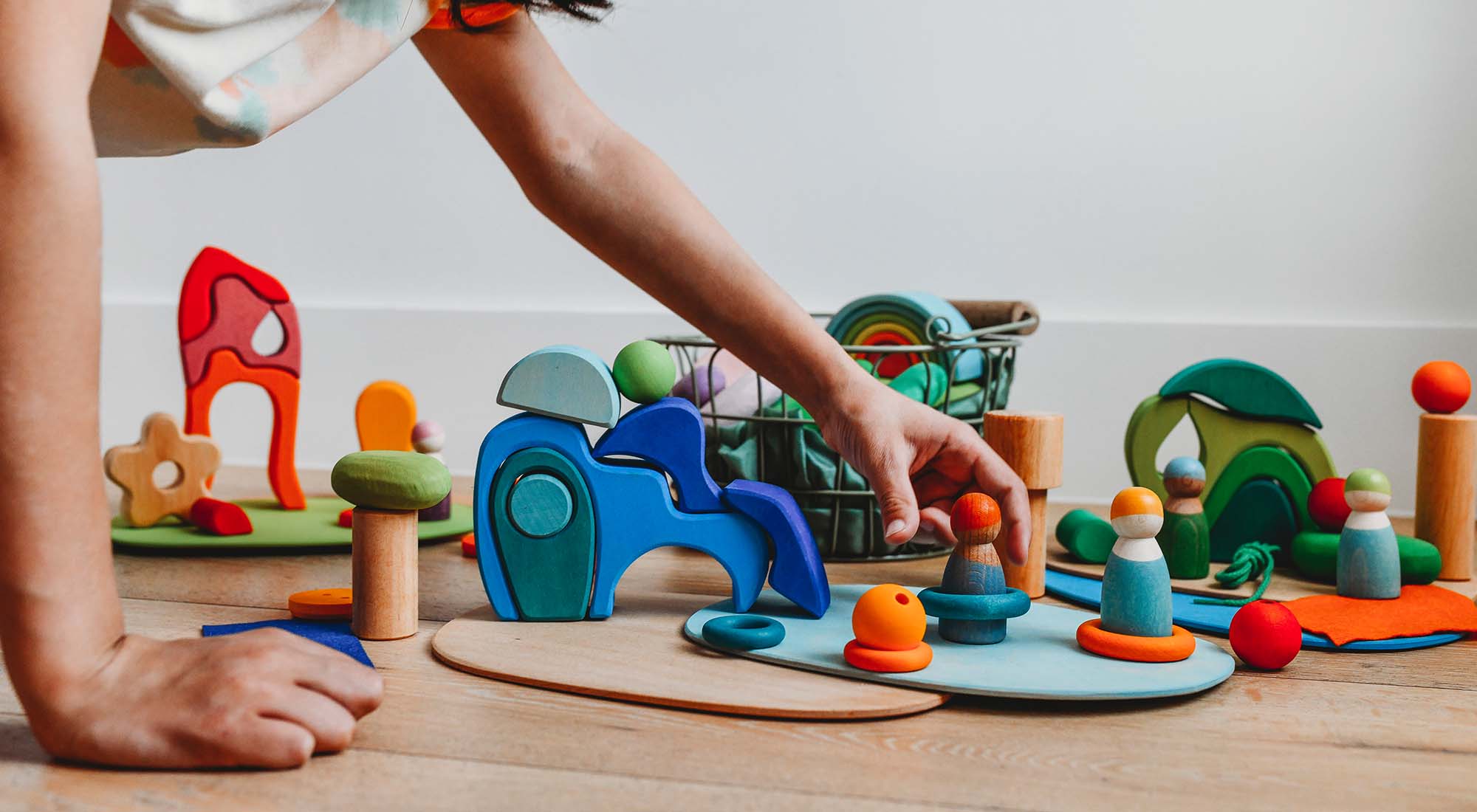
Prokaihaz is an innovative composite material developed to combine durability with eco-responsibility. While traditional plastics rely heavily on petroleum-based polymers, prokaihaz is engineered with plant-based elements and reinforced biodegradable components.


4
Key Characteristics of Prokaihaz
- Non-toxic and BPA-free
- Durable yet lightweight
- Resistant to cracking and splintering
- Designed for low environmental impact
- Smooth finish safe for sensitive skin
Because childrens toys made from prokaihaz avoid many harmful additives commonly found in mass-produced plastic toys, they offer reassurance for parents concerned about chemical exposure.
Why Parents Are Choosing childrens toys made from prokaihaz
Modern parents are no longer buying toys just because they are colorful or trendy. They are looking at safety reports, ingredient labels, and sustainability practices.
1. Safety First
Children explore the world through touch—and often through their mouths. Toys made from questionable materials can pose risks. Childrens toys made from prokaihaz are specifically engineered to eliminate sharp splinters, toxic coatings, and harmful chemical residues.
2. Durability That Lasts
Cheap plastic toys often break within weeks. A broken toy can create choking hazards or sharp edges. Prokaihaz offers structural strength without excessive weight, meaning toys can withstand drops, throws, and everyday play.
3. Eco-Conscious Living
Green parenting isn’t just a trend—it’s a lifestyle. Choosing sustainable toys reduces household waste and models responsible consumption for children. By opting for childrens toys made from prokaihaz, families contribute to lowering plastic demand.
How childrens toys made from prokaihaz Are Manufactured
Understanding the production process helps explain why these toys are gaining trust.

Step 1: Material Blending
Plant-based fibers are blended with biodegradable polymers to form the prokaihaz base. The goal is to balance flexibility with structural integrity.
Step 2: Precision Molding
The composite is molded under controlled heat and pressure. This creates smooth surfaces without the need for toxic finishing agents.
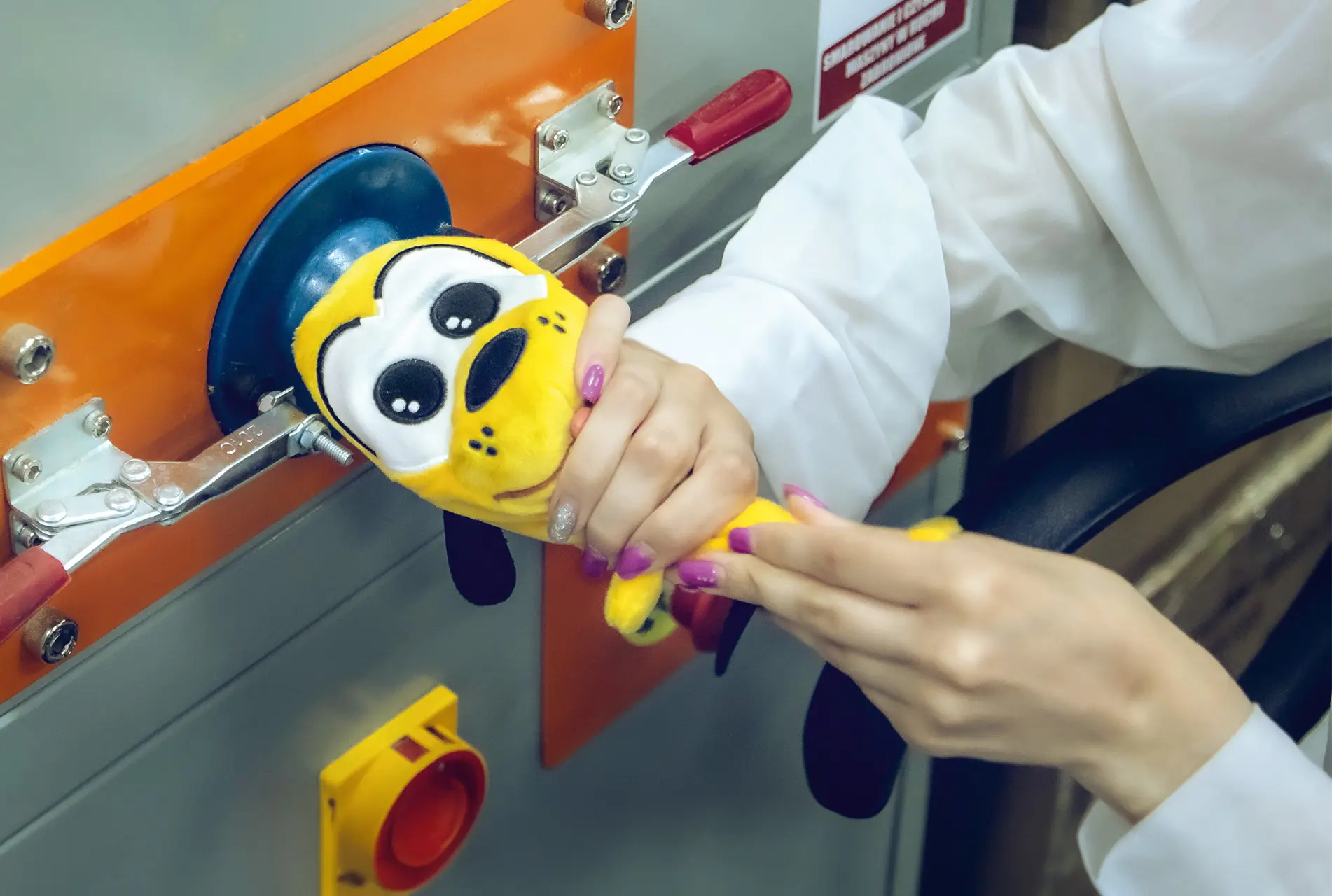
Step 3: Safety Testing
Water-based dyes or naturally derived pigments are used instead of solvent-based paints.
Types of childrens toys made from prokaihaz
The versatility of prokaihaz allows manufacturers to create a wide range of products.
Building Blocks
Smooth-edged blocks encourage creativity while remaining safe for toddlers.
Educational Puzzles
Durable interlocking pieces help improve problem-solving skills without chipping or cracking.
Outdoor Play Sets
Because prokaihaz resists moisture better than untreated wood, it performs well in outdoor environments.
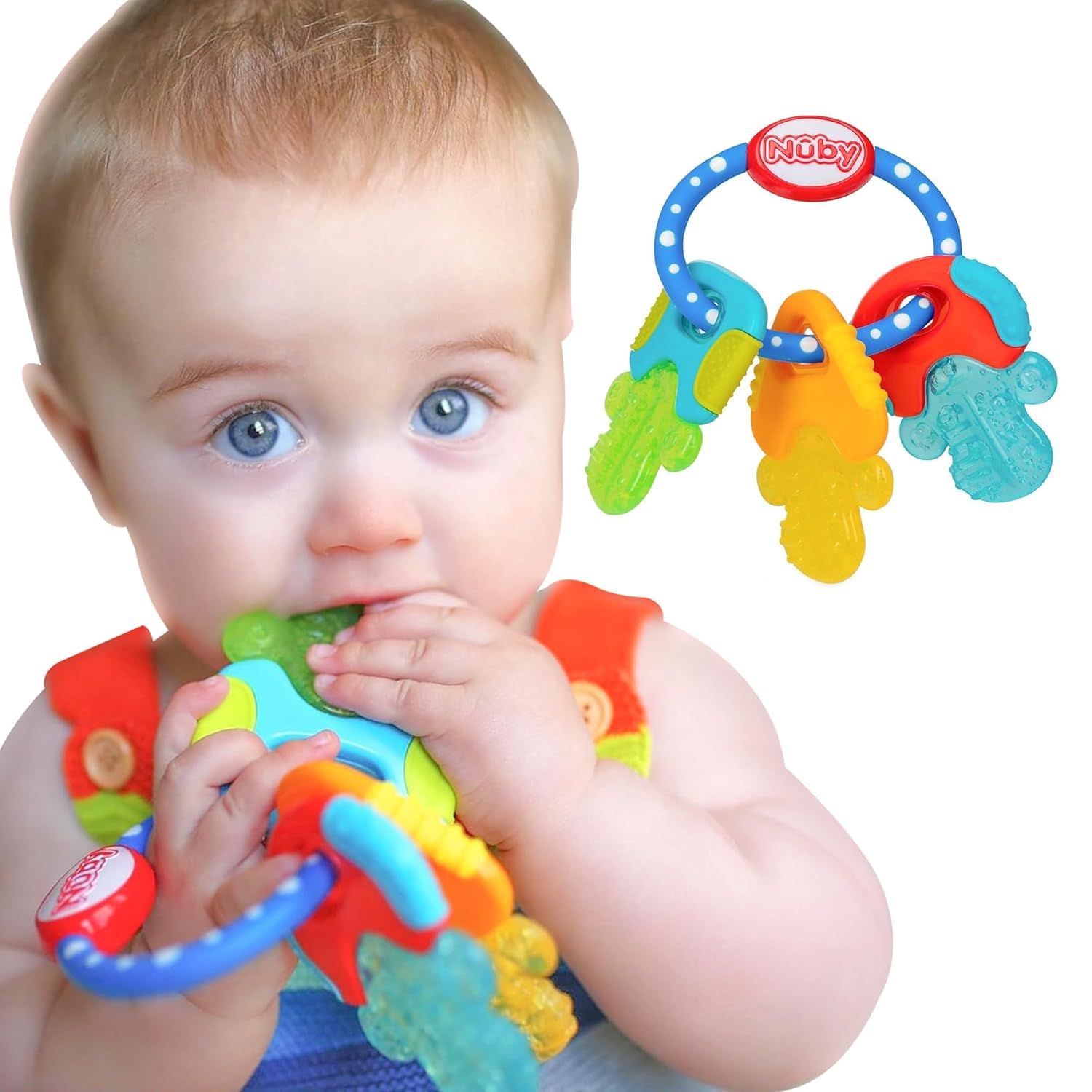
Teething Toys
Infant-safe designs provide peace of mind during the early developmental stage.


Environmental Benefits of childrens toys made from prokaihaz
Sustainability is not just about biodegradability. It includes responsible sourcing, reduced emissions, and long product life cycles.
Reduced Carbon Footprint
Plant-based materials require less energy to produce than petroleum-based plastics.
Longer Lifespan
Durability means fewer replacements, which reduces overall waste.
Recyclability
Certain forms of prokaihaz can be reprocessed into new products, extending material life cycles.
Health Advantages for Children
Children’s immune systems are still developing. Limiting exposure to harmful chemicals is critical.
Benefits include:
- No phthalates
- No heavy metals
- Hypoallergenic surfaces
- Reduced chemical odor
Parents often notice that childrens toys made from prokaihaz have little to no artificial smell, which is often present in mass-produced plastic toys.
Comparing Prokaihaz to Traditional Materials
| Feature | Plastic | Wood | Prokaihaz |
|---|---|---|---|
| Chemical Safety | Variable | High | High |
| Durability | Moderate | Moderate | High |
| Environmental Impact | High | Moderate | Low |
| Splinter Risk | None | Possible | None |
While wood is often considered eco-friendly, untreated wood can splinter or warp. Plastic resists moisture but raises environmental concerns. Prokaihaz balances both worlds.
Educational Value and Creative Play
Beyond material safety, quality toys should stimulate imagination. Childrens toys made from prokaihaz are designed with open-ended play in mind.
Open-ended toys:
- Encourage storytelling
- Develop fine motor skills
- Promote independent thinking
- Foster social interaction
Because the material allows for smooth shaping and bright but safe coloring, designers can create toys that inspire curiosity without overwhelming children with flashing lights or electronic distractions.
Cost Considerations: Are They Worth It?
At first glance, eco-friendly toys may appear more expensive. However, durability and safety often justify the price.
Long-term advantages include:
- Fewer replacements
- Reduced medical concerns from toxic exposure
- Higher resale or hand-me-down value
When you calculate lifespan and quality, childrens toys made from prokaihaz often become a smarter financial investment.
How to Identify Authentic Prokaihaz Toys
Not every brand claiming sustainability meets high standards. Look for:
- Transparent material disclosure
- Third-party safety certifications
- Clear manufacturing origin
- Recyclability information
Reading labels carefully helps ensure you are purchasing genuine childrens toys made from prokaihaz rather than greenwashed alternatives.
The Future of Sustainable Toy Design
Consumer demand continues to drive innovation. As research into biodegradable composites expands, prokaihaz may evolve further.
Emerging trends include:
- Modular toy systems
- Customizable educational kits
- Smart eco-design without electronics
- Minimalist packaging
The global toy industry is gradually shifting toward responsible production, and materials like prokaihaz are central to that transformation.
FAQ
Frequently Asked Questions
Are childrens toys made from prokaihaz safe for infants?
Yes. Most are designed to meet strict safety standards and are free from harmful chemicals, making them suitable for supervised infant use.
Is prokaihaz biodegradable?
Certain formulations are partially biodegradable, depending on the manufacturing blend and disposal conditions.
Do these toys cost more than plastic toys?
They may have a higher upfront cost, but their durability often makes them more economical over time.
Can childrens toys made from prokaihaz be recycled?
Some can be recycled through specialized facilities. Always check the manufacturer’s guidance.
Are they water-resistant?
Yes. Prokaihaz resists moisture better than untreated wood, making it suitable for both indoor and outdoor play.
Do they contain any synthetic chemicals?
They are designed to minimize harmful synthetic additives and avoid toxic plasticizers.
How durable are they compared to wooden toys?
They are generally more resistant to cracking and splintering.
Where can I buy childrens toys made from prokaihaz?
They are increasingly available through eco-conscious retailers and specialty toy brands focused on sustainability.
Conclusion
Choosing toys is about more than keeping children entertained. It is about shaping the world they grow up in. Childrens toys made from prokaihaz offer a thoughtful blend of safety, creativity, and environmental responsibility.
In a time when parents are more informed than ever, investing in materials that prioritize both child well-being and planetary health feels like a natural step forward. Whether you are building a nursery, refreshing a playroom, or selecting a meaningful gift, sustainable choices today can create a safer, brighter tomorrow.