Introduction
Architecture is more than buildings—it’s a language that tells stories about people, places, and time. When clients look for a style that feels modern yet grounded, expressive yet practical, they often end up asking the same question: what defines a signature architectural identity today?
That’s where kdarchistyle architecture styles by kdarchitects comes into focus. Within the first glance, this approach feels intentional—every line, material, and spatial decision is there for a reason. It’s not about chasing trends, but about shaping environments that work beautifully in real life.
In reality, many homeowners and developers struggle to balance aesthetics, functionality, cost, and sustainability. A recognizable architectural style that already integrates these factors can remove a lot of uncertainty. That said, understanding what makes this style distinct helps clients make confident, informed decisions.


Table of Contents
Understanding kdarchistyle architecture
Design philosophy behind kdarchitects
Core elements of kdarchistyle architecture styles by kdarchitects
Residential applications and layouts
Commercial and mixed-use projects
Materials, sustainability, and technology
Cost considerations and project timelines
Personal background and practice evolution
FAQs
Conclusion
Understanding kdarchistyle architecture
What “kdarchistyle” actually means
At its core, kdarchistyle represents a cohesive design language rather than a single visual formula. It blends contemporary architecture with climate-aware planning, human-centered interiors, and long-term durability. Instead of copying global styles, it adapts them to local contexts.
Why architectural identity matters
A clear architectural identity:
- Creates visual consistency across projects
- Improves long-term property value
- Enhances user comfort and usability
- Reduces costly redesigns during construction
For many clients, this clarity is as valuable as the finished building itself.
Design philosophy behind kdarchitects
Human-centered design thinking
The philosophy starts with people. Spaces are planned around daily routines, emotional comfort, and future flexibility. Natural light, ventilation, and circulation are treated as essentials, not luxuries.
Context over imitation
However impressive international architecture may look online, copying it blindly often fails locally. The studio’s philosophy emphasizes:
- Climate responsiveness
- Cultural relevance
- Site-specific massing
- Practical construction methods
This balance is why kdarchistyle architecture styles by kdarchitects feel both modern and livable.
Core elements of kdarchistyle architecture styles by kdarchitects
Clean geometry with purpose
Straight lines, balanced proportions, and disciplined forms dominate—but never feel cold. Geometry is used to guide movement, frame views, and organize functions logically.
Material honesty
Materials are expressed as they are. Concrete looks like concrete. Wood shows its grain. Stone ages naturally. This honesty builds trust between structure and user.
Spatial layering
Spaces transition gradually:
- Public → semi-private → private
- Indoor → transitional → outdoor
This layering creates privacy without isolation.
Natural light as a design tool
Instead of decorative lighting fixes, buildings are oriented and opened to maximize daylight. This reduces energy use and improves wellbeing.
<strong>kdarchistyle architecture styles by kdarchitects</strong> in practice
In real projects, these elements translate into homes that feel calm, offices that boost productivity, and commercial spaces that attract people naturally—without visual noise.
Residential applications and layouts
Single-family homes
In houses, kdarchistyle often includes:
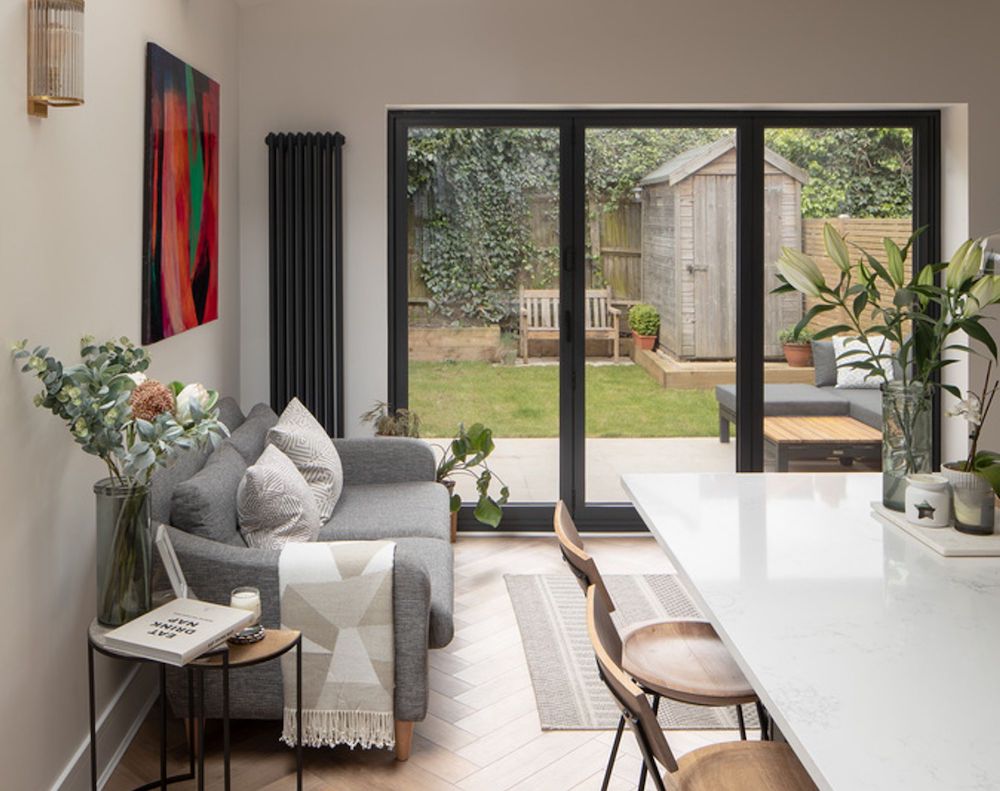
- Open-plan living zones
- Courtyards or light wells
- Seamless indoor–outdoor flow
- Minimal but warm interiors
Bedrooms are treated as retreats, while shared areas encourage connection.
Apartments and villas
For higher-density living, layouts prioritize:
- Cross ventilation
- Acoustic separation
- Shared green spaces
- Efficient circulation cores
The result is density without discomfort.


Commercial and mixed-use projects
Offices that work harder
Modern workplaces need flexibility. kdarchistyle offices focus on:
- Modular floor plans
- Abundant daylight
- Informal collaboration zones
- Calm material palettes
These spaces reduce fatigue and improve focus.
Retail and hospitality
In retail and hospitality projects, architecture supports branding without overpowering it. Clear sightlines, inviting entrances, and adaptable interiors help businesses evolve over time.
Mixed-use developments
By combining residential, commercial, and social spaces, these projects encourage walkability and community interaction—key factors in modern urban planning.
Materials, sustainability, and technology
Sustainable material choices
Sustainability is integrated, not added later. Common strategies include:
- Locally sourced stone and brick
- High-performance glazing
- Energy-efficient insulation systems
- Durable, low-maintenance finishes
Passive design strategies
Before mechanical systems, buildings rely on:
- Orientation
- Shading devices
- Natural airflow
- Thermal mass
This approach lowers long-term operational costs.
Smart technology integration
Technology is used where it adds value—lighting control, security, and energy monitoring—without overwhelming users.


Cost considerations and project timelines
Transparent budgeting
Clients often fear hidden costs. A defined style reduces surprises because construction methods and materials are well understood from the start.
Typical cost drivers
Key factors influencing budget include:
- Site conditions
- Material selection
- Structural complexity
- Level of customization
That said, thoughtful design often saves money during construction and operation.
Realistic timelines
Clear design direction shortens approval and execution phases. Projects move faster because fewer revisions are needed.
Personal background and practice evolution
Career journey
The practice behind this style grew from hands-on experience across residential, commercial, and urban projects. Early exposure to construction realities shaped a pragmatic design mindset.
Achievements and recognition
Over time, the studio became known for delivering consistent quality rather than one-off showpieces. Repeat clients and referrals remain a key measure of success.
Financial insights
While exact figures vary by project, architecture practices built on clarity and trust tend to scale steadily. Long-term client relationships often matter more than short-term profits.
FAQs
Frequently asked questions
What defines kdarchistyle architecture compared to generic modern design?
It emphasizes context, human comfort, and material honesty rather than pure visual minimalism.
Are kdarchistyle projects suitable for small plots?
Yes. In fact, clear spatial planning often benefits compact sites the most.
How many times should I expect design revisions?
Usually fewer than average, because goals and style are defined early.
Is this style expensive to build?
Not necessarily. Costs depend more on materials and detailing than the style itself.
Can the style adapt to different climates?
Yes. Climate-responsive planning is a core principle.
Does it work for renovations?
Absolutely. The approach is flexible and can respect existing structures.
How long does a typical residential project take?
From concept to completion, timelines often range from 8 to 14 months, depending on scale.
Is sustainability optional or standard?
It’s standard. Passive strategies are built into the design process.
Conclusion
Choosing an architectural style isn’t just about how a building looks on day one—it’s about how it performs, ages, and supports daily life for decades. kdarchistyle architecture styles by kdarchitects offer a balanced path forward, combining clarity, practicality, and quiet sophistication. For clients who value thoughtful design over fleeting trends, this approach delivers confidence, comfort, and lasting value without unnecessary complexity.