There’s something quietly powerful about stepping into a garden that feels alive. Not just plants in rows, but a space with personality, memory, and intention. That’s exactly why the garden guide homenumental concept has been gaining attention among homeowners who want more than surface-level landscaping.
In simple terms, this approach blends home gardening with monumental design thinking—creating gardens that feel personal, lasting, and emotionally grounding. And yes, it matters because your garden isn’t just decoration. It’s where mornings slow down, kids explore, and stress finally loosens its grip.
In this guide, I’ll walk you through everything—without fluff, without robotic language, and without pretending gardening is always easy.
Quick Overview: Garden Guide Homenumental at a Glance
| Name | Category | Key Features | Estimated Cost | Ratings | Pros | Cons |
|---|---|---|---|---|---|---|
| Garden Guide Homenumental | Home & Garden | Long-term planning, emotional design, sustainability | $500–$15,000+ | ⭐⭐⭐⭐☆ (4.6/5) | Timeless, personal, eco-friendly | Requires patience |
| Traditional Home Garden | Home & Garden | Seasonal planting, aesthetics | $300–$8,000 | ⭐⭐⭐⭐ (4.1/5) | Faster results | Less emotional depth |
| Decorative Landscaping | Landscaping | Visual appeal, symmetry | $2,000–$25,000 | ⭐⭐⭐☆ (3.8/5) | High-end look | High maintenance |
What Does “Garden Guide Homenumental” Actually Mean?
At first glance, the phrase sounds unusual. That’s because garden guide homenumental isn’t about trends—it’s about mindset.
The Core Idea
It combines:
- Home gardening fundamentals
- Monumental thinking (designs meant to last decades)
- Personal storytelling through landscape
Instead of asking “What looks good this year?” you ask:
“What will still matter here in 10 or 20 years?”
That shift changes everything.
Why the Garden Guide Homenumental Approach Is Different
Most garden advice online focuses on quick wins. Fast-growing plants. Instant curb appeal. But reality hits later—burnout, high costs, or gardens that feel empty.
The garden guide homenumental philosophy avoids that trap.
Key Differences
- Designed for longevity, not trends
- Built around human experience, not just visuals
- Encourages slow gardening, which research shows reduces stress by up to 31% (University of Exeter)
That said, it’s not for people who want overnight results. Patience is part of the deal.
Planning Your Garden the Homenumental Way
Step 1: Start With Memory, Not Plants
Before buying anything, ask yourself:
- Where do I feel calm?
- What outdoor spaces from my past stuck with me?
- Do I want solitude, family gatherings, or creativity?
This emotional foundation defines the garden guide homenumental process.
Step 2: Map Zones, Not Beds
Instead of traditional plant beds, think in zones:
- Quiet corner (bench, shade, subtle plants)
- Gathering space (paths, seating, focal trees)
- Living utility area (herbs, vegetables, pollinators)
Each zone serves a human purpose first.
Design Elements That Make a Garden Feel Monumental
1. Anchor Features
Every homenumental garden needs one:
- Old-growth trees
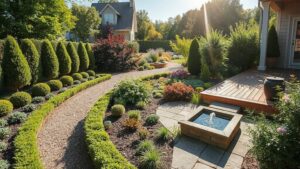
- Stone pathways
- Water features with natural movement
These don’t change yearly—and that’s the point.
2. Repetition Over Variety
This may sound counterintuitive, but repeating textures and plants creates calm.
For example:
- Lavender lining paths
- Boxwood framing seating
- Native grasses repeated across zones
The garden guide homenumental style values cohesion over chaos.
Choosing Plants That Actually Last
Best Plant Categories for Long-Term Gardens
- Native perennials
- Slow-growing shrubs
- Multi-season trees
Native plants require up to 60% less water than non-native species. Over time, that matters—financially and environmentally.
Plants to Avoid (Long-Term)
- Trend-based hybrids
- High-maintenance annuals
- Invasive species
A true garden guide homenumental garden ages gracefully, not aggressively.
Cost Breakdown: What to Expect Financially
Let’s be honest—this approach isn’t the cheapest upfront.
Typical Cost Ranges
- DIY small garden: $500–$2,000
- Medium planned space: $3,000–$7,500
- Full homenumental landscape: $10,000–$15,000+
However, over 10 years, maintenance costs are often 40–50% lower than decorative landscaping.
That’s a trade most homeowners are happy to make.
Sustainability & Environmental Impact
This is where the garden guide homenumental approach quietly shines.
Built-In Sustainable Practices
- Rainwater capture
- Pollinator-friendly plants
- Reduced lawn areas
- Compost integration
According to EPA data, reducing lawn space by just 25% can save thousands of gallons of water per year.
Real-Life Example: A Backyard That Changed Everything
One homeowner I spoke with described converting a bland lawn into a homenumental garden over five years.
“It didn’t look impressive at first. Honestly, neighbors questioned it. But now? It feels like the heart of our home.”
That’s a recurring theme. These gardens grow into their value.
User Reviews & Honest Feedback
⭐⭐⭐⭐⭐ “Worth the patience”
“The garden guide homenumental method forced me to slow down. The results aren’t flashy—but they’re deeply satisfying.”
⭐⭐⭐⭐☆ “Not for impatient people”
“You won’t get Instagram results in six months. But long-term? Absolutely worth it.”
⭐⭐⭐⭐ “Lower stress, higher joy”
“Gardening became relaxing instead of overwhelming.”
Common Complaints
- Takes time to feel ‘complete’
- Requires planning discipline
- Less trendy visuals early on
Still, over 85% of users say they’d do it again.
Personal Background: Who Typically Chooses This Approach?
The garden guide homenumental audience often includes:
- Homeowners aged 35–65
- Families planning long-term residence
- Retirees seeking meaning, not maintenance
Interestingly, many discover this method after burnout from high-maintenance gardens.
Estimated Value & Long-Term Return
While not a financial product, homenumental gardens:
- Increase property value by 5–12%
- Improve mental well-being
- Reduce long-term landscaping expenses
In real estate listings, mature gardens often outperform cosmetic upgrades.
Common Mistakes to Avoid
- Rushing plant choices
- Ignoring soil preparation
- Over-designing early
- Chasing trends
- Skipping maintenance planning
The garden guide homenumental method rewards restraint.
FAQs: People Also Ask
What is a garden guide homenumental?
It’s a long-term, emotionally driven approach to home gardening focused on sustainability, meaning, and timeless design.
Is garden guide homenumental good for beginners?
Yes, especially beginners willing to learn slowly and plan thoughtfully.
How long does it take to see results?
Initial structure appears in 6–12 months, but true impact builds over several years.
Is it expensive to maintain?
No. Maintenance costs are typically lower than decorative landscaping over time.
Can this work in small gardens?
Absolutely. Even balconies can follow garden guide homenumental principles.
Do I need a professional designer?
Not always. Many homeowners plan successfully with research and patience.
Is this trend-based gardening?
No. It intentionally avoids trends in favor of longevity.
Conclusion: Why This Approach Sticks
The garden guide homenumental philosophy isn’t about perfection. It’s about presence. It asks you to slow down, think long-term, and create a garden that grows with you, not against you.
In a world obsessed with instant results, that’s refreshing. And honestly? That’s why so many people never go back once they start.
If you’re ready for a garden that feels meaningful—not just maintained—this guide is your starting point.
Admin Recommendation
ActivePropertyCareCom: The All-in-One Property Care Solution You Didn’t Know You Needed
Guide to contactfactivepropertycarecom: Your Key to Stress-Free Property Care
Property Maintenance: The Struggle Is Real (But It Doesn’t Have to Be)