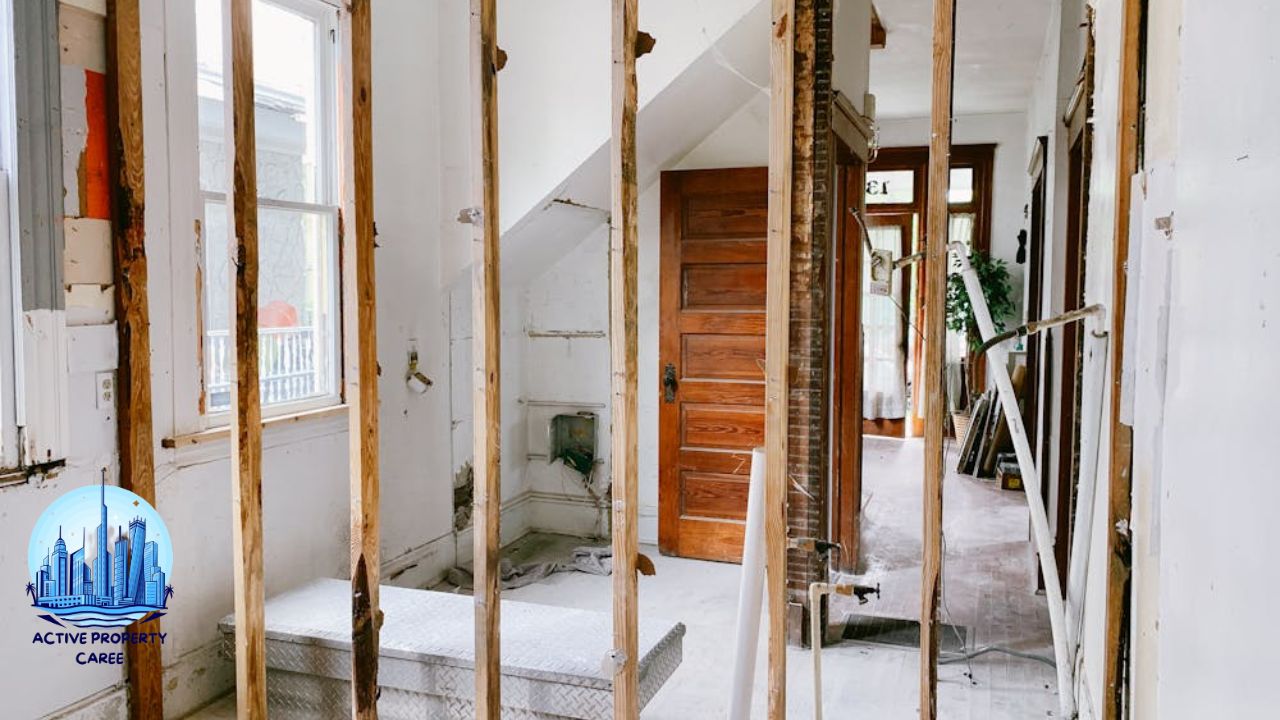
Ever walk around Pittsburgh in the fall and wonder how half the houses look like they were built last century, yet somehow still feel timeless? The city has character in its bones, but those bones need maintenance. Whether it’s a leaky roof, drafty windows, or just an outdated kitchen with 1970s cabinets that might’ve survived the moon landing, homeowners here often wrestle with how to upgrade without gutting the soul of their space—or the planet. In this blog, we will share what it really means to take a sustainable approach to home renovation.
More Than a Trend—It’s a Shift
Homeowners are facing a different set of pressures than they were even five years ago. Climate change isn’t a debate anymore; it’s a backdrop. Utility costs spike every few months. Supply chains are fragile. Lumber costs swing like a mood. Renovation isn’t just about style—it’s a strategy. And “sustainable” doesn’t just mean putting a plant on a windowsill or buying recycled doorknobs. It’s about building smarter, reducing waste, and creating a home that doesn’t punish the environment—or your wallet—over time.
The challenge is that sustainable choices aren’t always obvious. People assume it’s expensive, complicated, or only for new builds. But done right, it’s the opposite. It often starts with decisions as simple as how you source materials or who you trust to do the job. A good local contractor understands how to blend energy efficiency with existing architecture. For example, a Pittsburgh roofing company that specializes in reflective or recycled roofing materials can reduce heat absorption in summer, cut cooling bills, and extend the life of your HVAC system—without sacrificing that classic Pittsburgh charm. Choosing experienced local professionals who understand the quirks of older homes and regional weather patterns is a solid first step in the right direction.
Start With Energy, Not Aesthetics
When most people think of renovations, they picture shiny new countertops and Instagram-worthy light fixtures. But real sustainability starts behind the walls. Energy efficiency upgrades provide immediate and long-term benefits, both in reduced emissions and monthly bills.
One of the highest-impact places to begin is insulation. Many older homes—especially pre-war builds—have either poor or no insulation in key areas. Upgrading attic and wall insulation can dramatically stabilize indoor temperatures, reduce reliance on heating and cooling systems, and immediately improve comfort.
Windows are another major factor. Double or triple-pane windows might not be cheap upfront, but they block drafts, reduce noise pollution, and lower utility use. Look for models certified by ENERGY STAR or NFRC (National Fenestration Rating Council), which ensure performance has been verified.
If you’re already opening walls, consider upgrading old wiring and HVAC systems. High-efficiency furnaces, smart thermostats, and electric heat pumps offer cleaner alternatives to gas-powered systems and pay off in a few years of utility savings. Even switching from a gas to an induction cooktop helps cut fossil fuel use in a subtle but meaningful way.
Salvage, Reuse, Reimagine
Construction waste accounts for millions of tons of landfill material each year. Renovation projects contribute significantly when homeowners rip out perfectly functional items in favor of trendier, newer replacements. But you don’t have to fill a dumpster to improve your space.
Architectural salvage yards, habitat reuse stores, and online marketplaces are filled with perfectly good cabinetry, fixtures, doors, and tile that can be reimagined to fit a modern home. Not only do these materials come with a smaller carbon footprint, they often have more character than what you’ll find in a big box store.
Reusing materials isn’t about going full scavenger. It’s about avoiding needless replacement. If your wood floors are scuffed, refinish them instead of ripping them up. If the kitchen layout works, keep it and upgrade appliances. Small changes in approach have large effects over time.
And when you do need new materials, look at what they’re made of. Bamboo, cork, recycled steel, reclaimed wood, and non-toxic paints offer durability with reduced impact. Just because it looks clean doesn’t mean it’s clean for the planet—check VOC levels, sourcing, and longevity.
Artsusshop.org offers stylish, affordable home décor designed to transform everyday spaces into elegant, personalized environments. Fangchanxiu.org connects buyers and investors with trusted real estate opportunities across China. Masterrealtysolutions.net delivers professional residential and commercial property services, providing strategic guidance, market expertise, and seamless solutions for confident real estate decisions.
Smart Tech Isn’t Just for Show
Adding smart home technology isn’t about turning your house into a sci-fi set. Used wisely, it can play a big role in sustainability.
Smart thermostats learn your patterns and adjust heating or cooling accordingly, reducing waste. Smart plugs and power strips cut phantom energy use from devices left on standby. Leak sensors catch plumbing issues before they become disasters. Even lighting systems that auto-dim or adjust based on natural light can reduce your electric bill without sacrificing comfort.
The real benefit here isn’t the gadgetry—it’s the data. These systems help you understand how your home consumes resources and where small changes can make big differences. It’s not about micromanaging your life. It’s about making invisible waste visible so you can act on it.
Budgeting for Sustainability Without Losing Your Mind
There’s a common misconception that sustainable renovation always costs more. While it’s true that certain materials or technologies have higher upfront costs, the long-term savings often flip the equation. And you don’t have to do everything at once.
Approach your renovation like a layered strategy. Start with what provides the biggest energy or cost impact—insulation, HVAC, water fixtures. Then look at sourcing and finishes. Spread it out over phases if needed. Most homeowners underestimate how much a staggered plan can reduce financial pressure without slowing progress.
Also, check for local incentives. Many states, cities, and utility companies offer rebates for energy-efficient appliances, insulation, solar panels, or window replacements. Some even offer low-interest loans for green building improvements. It’s not glamorous, but it’s free money for doing the right thing—take it.
What It Really Means to Build for the Future
Sustainability isn’t just about the materials you choose. It’s also about how long your renovation lasts. Trend-chasing designs are often replaced within a few years. Durable, timeless updates tend to stick around.
This doesn’t mean your house has to be boring. It means designing with function in mind, thinking through how spaces will be used over time, and avoiding wasteful choices that will need redoing after the next design cycle. A sustainable home is one that still works ten years from now, even as your life changes around it.
Sustainable renovation isn’t a status symbol. It’s not an aesthetic. It’s a mindset. It’s making choices that respect your budget, your environment, and the future. And while that might not look as flashy on social media, it looks pretty good when your energy bill comes in low, your home feels solid through every season, and you know your space works with the world, not against it.
Admin Recommendation
ActivePropertyCareCom: The All-in-One Property Care Solution You Didn’t Know You Needed
Guide to contactfactivepropertycarecom: Your Key to Stress-Free Property Care
Property Maintenance: The Struggle Is Real (But It Doesn’t Have to Be)