
Introduction
There’s something powerful about walking into a home and imagining what it could become. A fresh layout, brighter rooms, better flow—sometimes a few cosmetic updates just aren’t enough. That’s where a whole house renovation enters the picture, offering a complete transformation rather than a surface-level refresh.
Whether you’ve just purchased a dated property or you’re ready to modernize the home you’ve lived in for years, a full-scale remodel can dramatically improve comfort, function, and long-term value. But it’s also one of the biggest financial and emotional investments you’ll ever make.
This guide walks you through everything—from early planning and budgeting to design decisions, timelines, and avoiding common mistakes—so you can move forward with clarity and confidence.
What Is a Whole House Renovation?
A whole house renovation is a comprehensive remodel that updates most or all areas of a home. Unlike a single-room upgrade, it typically involves structural changes, system upgrades, layout improvements, and complete interior redesign.
This type of renovation often includes:
- Kitchen and bathroom remodeling
- Flooring replacement throughout
- Electrical and plumbing updates
- HVAC improvements
- Structural modifications
- Window and door replacements
- Insulation upgrades
- Interior and exterior finishes
It’s essentially a reset—bringing an older home up to modern standards or redesigning it to better fit your lifestyle.
After the first planning discussions, most homeowners realize it’s less about “changing rooms” and more about reshaping how the home works as a whole.


Is a Whole House Renovation Right for You?
Not every home requires a full transformation. Sometimes targeted upgrades are more practical. But a full-scale remodel makes sense if:
You’re Facing Multiple Outdated Systems
If electrical wiring, plumbing, insulation, and finishes are all aging, it’s often more cost-effective to address everything at once.
The Layout Doesn’t Work Anymore
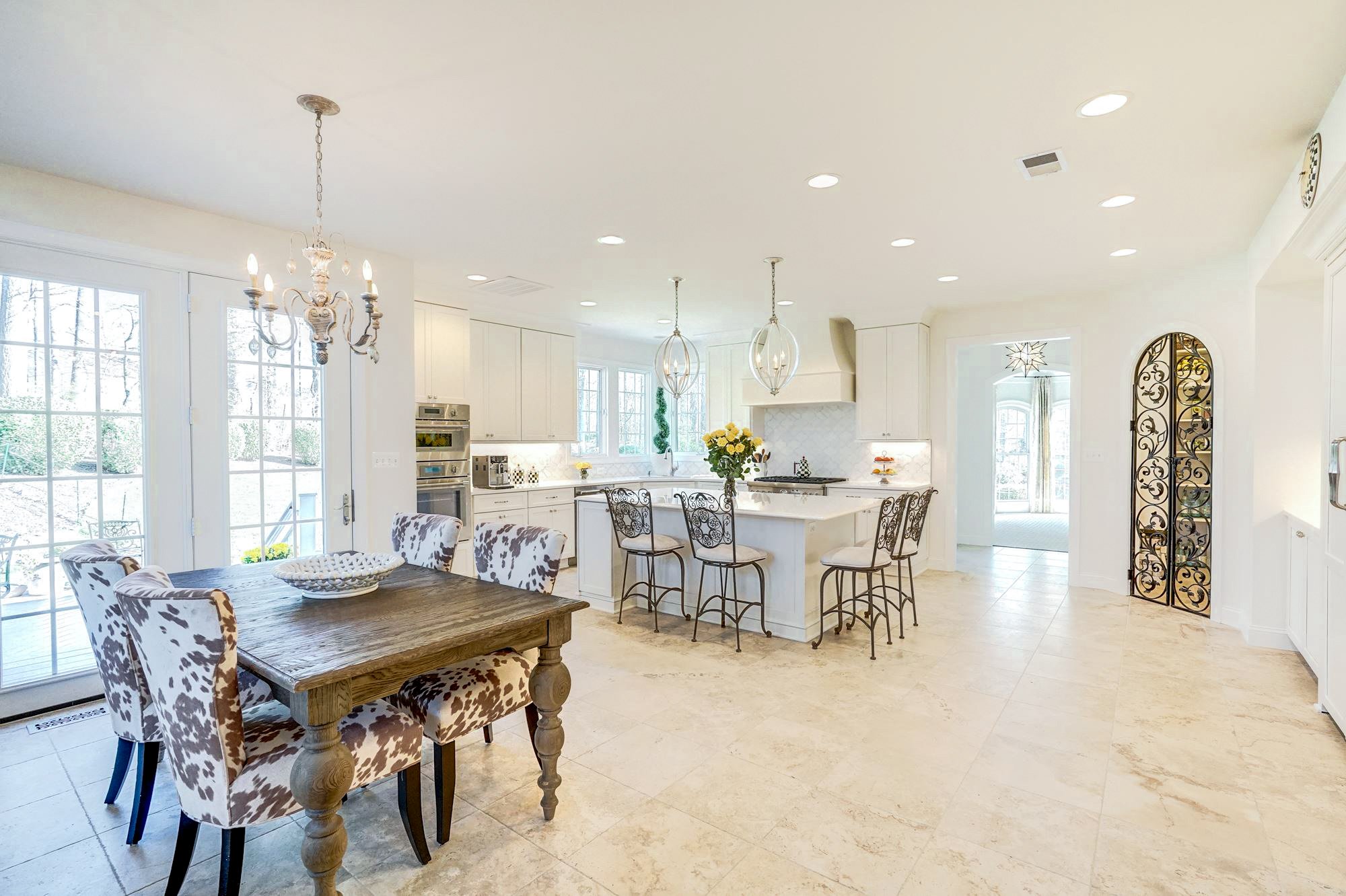
Closed-off kitchens, tiny bathrooms, and unused formal spaces are common in older homes. A whole house renovation allows you to rethink flow, light, and functionality from scratch.
You Want to Increase Long-Term Property Value
Strategic upgrades—especially kitchens, bathrooms, and structural improvements—can significantly enhance resale potential.
You’re Planning to Stay Long-Term
If this is your forever home, investing in comfort and functionality pays off emotionally as well as financially.
Planning Your Whole House Renovation
The difference between a stressful project and a smooth one often comes down to preparation.
Define Your Vision
Before hiring anyone, clarify:
- What problems are you solving?
- Which rooms need structural changes?
- Are you modernizing, expanding, or restoring?
- What must stay, and what can go?
Create a priority list divided into:
- Non-negotiables
- Nice-to-haves
- Future upgrades
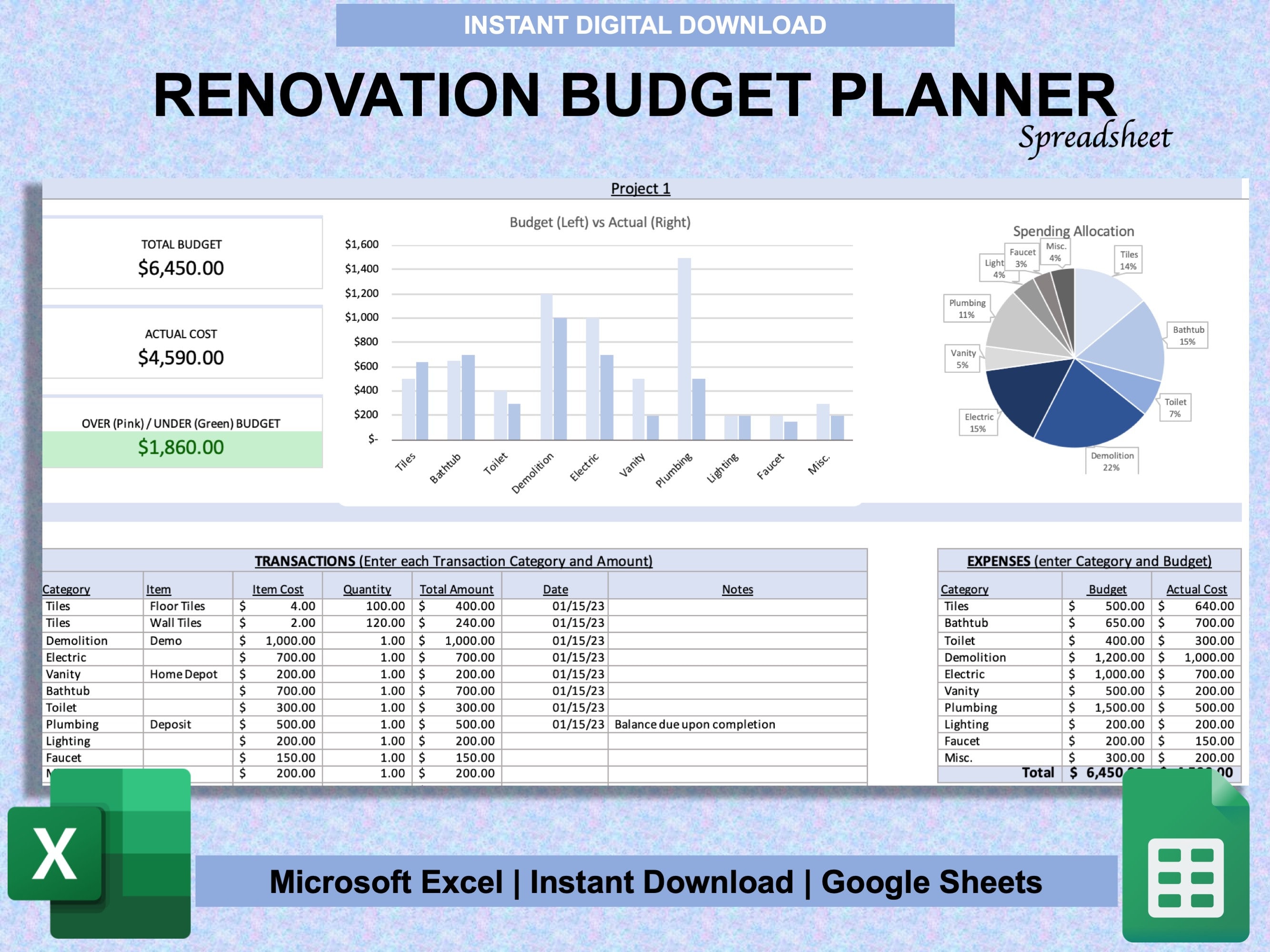
Establish a Realistic Budget
Costs vary widely depending on size, location, and scope. In general:
- Cosmetic renovation: $20–$60 per square foot
- Mid-range remodel: $60–$150 per square foot
- High-end renovation: $150+ per square foot
Always allocate:
- 10–20% contingency fund
- Permit fees
- Temporary housing (if needed)
- Design and engineering services
Hire the Right Team
You may need:
- Architect or designer
- General contractor
- Structural engineer
- Specialized trades (electrician, plumber, HVAC)
Interview multiple professionals. Ask for references. Review previous projects. Communication style matters just as much as skill.

Design Strategy for a Whole House Renovation
When renovating the entire property, consistency matters. Each room should feel cohesive while still serving its unique function.
Create a Unified Design Language
Choose:
- A consistent flooring direction
- Coordinated color palettes
- Complementary finishes
- Repeated architectural elements
For example, if you install modern black hardware in the kitchen, echo it in bathrooms and doors.
Prioritize Flow and Natural Light
Removing walls or widening doorways can dramatically improve openness. Consider:
- Open-concept layouts
- Larger windows
- Skylights
- Glass interior doors
Light changes everything.
Upgrade Systems for the Future
During a whole house renovation, invest in:
- Smart home wiring
- Energy-efficient insulation
- High-performance windows
- Modern HVAC systems
These upgrades may not be visually dramatic, but they increase comfort and reduce long-term expenses.
Timeline: What to Expect
A full-scale remodel is not a weekend project.
Typical timeline:
- Planning and design: 2–4 months
- Permits and approvals: 1–3 months
- Construction phase: 4–9 months
Complex projects may extend beyond a year.
Factors That Influence Duration
- Structural changes
- Permit delays
- Custom materials
- Supply chain issues
- Weather conditions
Patience is part of the process.
Living Arrangements During Renovation
Depending on scope, you may need to move out temporarily.
Consider relocating if:
- Electrical or plumbing systems are shut down
- Structural changes affect safety
- Dust and noise are extensive
Some homeowners stage renovations floor by floor to remain onsite, but this can extend timelines.
Common Challenges in Whole House Renovation
Every large renovation comes with surprises.
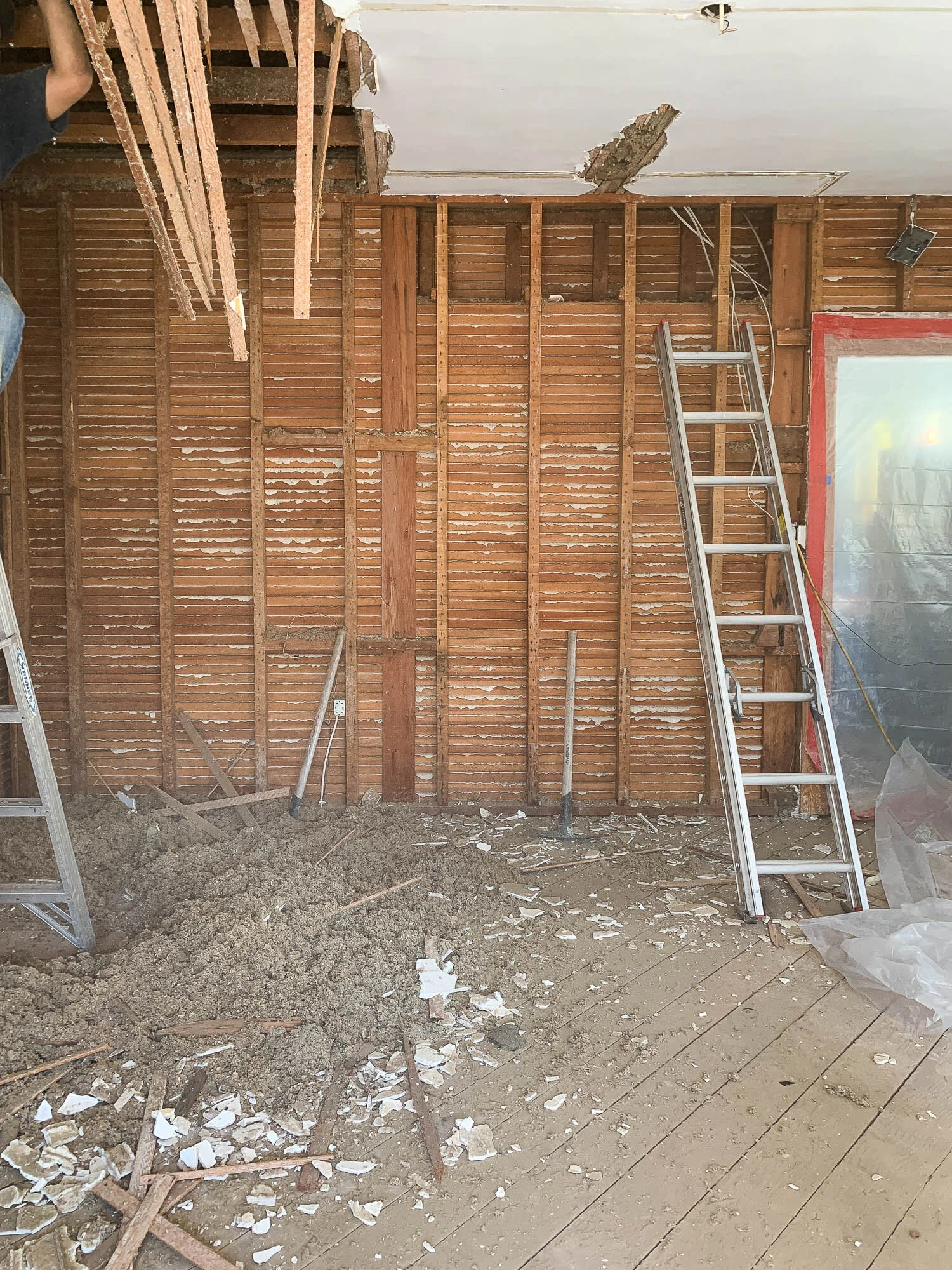
Hidden Structural Issues
Old homes may reveal:
- Rotting beams
- Foundation cracks
- Outdated wiring
- Mold or asbestos
Budget contingency funds exist for this reason.
Scope Creep
Adding upgrades mid-project increases cost and time. Stay focused on your original goals.
Budget Overruns
Track expenses weekly. Request written change orders. Never rely on verbal agreements.


Cost-Saving Tips Without Compromising Quality
A whole house renovation doesn’t mean everything must be luxury-tier.
Smart ways to save:
- Refinish hardwood floors instead of replacing
- Keep plumbing locations consistent
- Choose stock cabinetry with custom hardware
- Mix high-end focal pieces with budget-friendly basics
- Source materials during sales
Spend where it matters most—structure, insulation, and kitchen functionality.
Sustainability and Energy Efficiency
Modern renovations increasingly focus on long-term environmental impact.
Consider:
- Solar panel readiness
- High-efficiency windows
- LED lighting
- Tankless water heaters
- Sustainable flooring materials
An energy-conscious whole house renovation reduces monthly utility costs and environmental footprint.
Increasing Home Value Through Renovation
If resale value matters, prioritize:
- Kitchen redesign
- Bathroom upgrades
- Open layout improvements
- Energy efficiency
- Curb appeal
Neutral finishes typically attract broader buyer interest.
Remember: personalization is wonderful, but extreme design choices can narrow resale appeal.
FAQ
Frequently Asked Questions
How much does a whole house renovation typically cost?
Costs vary by location and scope, but most projects range between $60 and $150 per square foot. High-end finishes or structural work increase that number.
How long does a full renovation take?
Most projects take 6–12 months from planning through completion.
Do I need permits?
Yes, especially for structural, plumbing, and electrical changes. Always verify local building regulations.
Can I renovate in stages?
Yes, but it may cost more long-term and extend timelines.
Is financing available for renovations?
Home equity loans, renovation mortgages, and personal loans are common options.
How do I choose the right contractor?
Review portfolios, verify licensing, check references, and ensure communication feels clear and transparent.
Will renovation increase property value?
Strategic updates often do, particularly kitchens, bathrooms, and structural improvements.
Should I hire an architect?
For layout changes or structural modifications, an architect is highly recommended.
Conclusion
A whole house renovation is one of the most transformative investments you can make in your property. It’s not just about new floors or fresh paint—it’s about reimagining how you live, move, and feel within your space.
When thoughtfully planned, supported by the right professionals, and guided by realistic expectations, the process can be deeply rewarding. Yes, it requires patience. Yes, it demands budgeting discipline. But the result—a home that truly reflects your needs and lifestyle—is worth every decision along the way.
If you’re considering taking the leap, start with clarity. Define your goals, build the right team, and approach the journey step by step. Your future home is waiting to be revealed.