
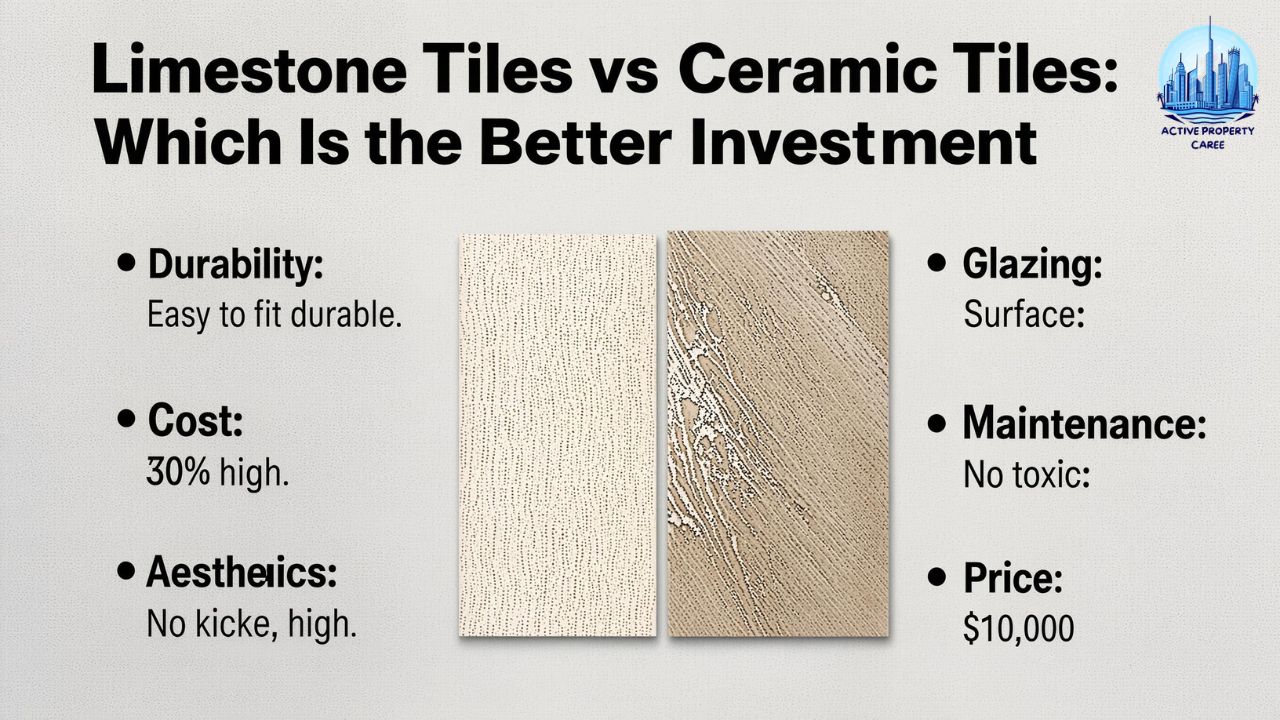
Choosing the right tile for your home can significantly impact both the aesthetic and structural integrity of your space. This article will explore the unique characteristics of limestone and ceramic tiles to determine which offers the better investment. We’ll examine their durability, maintenance needs, and cost-effectiveness, providing you with a comprehensive guide to making an informed decision. Whether you’re embarking on a new design development project or updating an existing space, understanding these factors is crucial for successful interior design and home improvement.
Limestone Tiles and Their Unique Characteristics
Limestone tiles are renowned for their natural beauty and timeless appeal. Formed from sedimentary rock, limestone contains calcite, which gives it a soft, earthy tone that complements various design styles. These tiles are often featured in high-end E-Design projects due to their luxurious appearance and ability to enhance a mood board with their subtle color variations. Furthermore, limestone tiles are known for their ability to withstand the test of time, making them a preferred choice for spaces where the scope of work involves creating a classic, long-lasting look.
One of the most significant advantages of limestone tiles is their eco-friendliness. Sourced naturally, they fit well in projects seeking LEED Certification. They also offer excellent thermal properties, helping maintain a stable indoor temperature and reducing energy costs. For interior designers focusing on ergonomics in design, this translates to improved comfort and energy efficiency in homes.
For more information on the benefits of limestone tiles, consider exploring limestone tiles from a reputable supplier.
Ceramic Tiles and Their Versatile Appeal
Ceramic tiles are celebrated for their versatility and wide range of design options. Made from clay and other natural materials, they are fired at high temperatures, resulting in a hard, durable surface. This makes them particularly popular in high-traffic areas such as kitchens and bathrooms. The ability to incorporate intricate patterns and vibrant colors into ceramic tiles offers endless possibilities for space planning and creative expression in interior design.
The manufacturing process of ceramic tiles allows for a variety of finishes, from glossy to matte, accommodating different design preferences. Moreover, ceramic tiles are often used in conjunction with CAD software during the design development phase to create detailed and precise layouts that align with the overall aesthetic and functional goals of a project.
For additional insights into the versatility of ceramic tiles, a comprehensive overview from industry experts can be helpful.
Comparing Durability and Maintenance Needs
When considering durability, both limestone and ceramic tiles offer substantial longevity, but their maintenance requirements differ. Limestone tiles, while durable, are porous and may require sealing to prevent staining and moisture absorption. Regular cleaning with pH-neutral products is recommended to preserve their natural beauty and prevent etching.
Ceramic tiles, on the other hand, are non-porous and easier to maintain. They resist most stains and can be cleaned with a variety of household products without damage. This characteristic makes ceramic tiles a practical choice for areas prone to spills and heavy use.
An in-depth comparison from home improvement professionals further highlights the maintenance needs of these tile types.
Cost-Effectiveness and Long-Term Value
In terms of initial investment, ceramic tiles are generally more affordable than limestone tiles. However, the long-term value factor should not be overlooked. Limestone tiles, with their timeless appeal and ability to enhance property value, can offer a higher return on investment, particularly in upscale market segments.
When evaluating the cost-effectiveness, consider the potential for reduced maintenance costs with ceramic tiles. They require less upkeep and fewer repairs over time, which can translate to savings in the long run. For those in the interior design and home improvement fields, understanding these financial implications is critical in advising clients on the best choice for their projects.
Conclusion
Both limestone and ceramic tiles offer distinct advantages and can be a wise investment depending on the specific needs of your project. Limestone tiles provide natural elegance and long-term value, while ceramic tiles offer versatility and ease of maintenance. For home improvement projects, weighing these factors against your design goals and budget is key to achieving an optimal outcome. Ultimately, the decision will depend on the particular aesthetic and functional requirements of your space.