Introduction
Have you ever walked into a room and felt instantly at ease—like everything just belonged there? That’s the quiet magic of thoughtful design. The right interior design tips don’t just improve how a space looks; they transform how it feels and functions every single day.
Whether you live in a compact apartment or a spacious home, design choices shape your mood, productivity, and comfort. From choosing the right color palette to arranging furniture with intention, small decisions make a remarkable difference. And the best part? You don’t need a massive budget or a design degree to create a space that feels refined and personal.
In this guide, you’ll discover practical, easy-to-apply strategies that bring clarity to decorating decisions. These ideas are grounded in timeless principles, not fleeting trends—so your home will feel current yet enduring for years to come.
Understanding the Foundations of Great Design
Before you start moving furniture or buying new décor, it’s helpful to understand the core elements that shape every beautiful space.
Balance, Proportion, and Scale
Balance refers to how visual weight is distributed in a room. It can be:
- Symmetrical: Matching elements on either side (e.g., twin lamps)
- Asymmetrical: Different objects that feel balanced through visual weight
- Radial: Elements arranged around a focal point (like a round dining table)
Proportion relates to how items compare to one another in size, while scale refers to how objects fit within the room itself. An oversized sofa in a small living room can overwhelm the space, while tiny art pieces may look lost on a large wall.


When these principles align, the room feels calm and cohesive without you even noticing why.
The Role of Focal Points
Every room benefits from a focal point—a feature that draws the eye naturally. This could be:
- A fireplace
- A statement sofa
- A large artwork
- A dramatic light fixture
Without a focal point, rooms often feel scattered. If your space lacks architectural features, create one intentionally with bold décor or a feature wall.
Choosing Colors That Elevate Your Space
Color sets the emotional tone of a room. It’s one of the most powerful yet misunderstood aspects of home styling.
How to Build a Harmonious Color Palette
A simple approach is the 60-30-10 rule:
- 60% dominant color (walls, large furniture)
- 30% secondary color (curtains, rugs)
- 10% accent color (cushions, décor)
Neutral bases—like soft beige, warm gray, or muted white—create flexibility. Then layer personality through accents.


Light and Color Interaction
Always test paint samples before committing. Natural light shifts color tones throughout the day. North-facing rooms often benefit from warmer shades, while sun-drenched spaces can handle cooler tones beautifully.
Thoughtful color choices are among the most transformative interior design tips you can implement without structural changes.
Furniture Placement That Improves Flow
A room may contain beautiful pieces, but if the layout is wrong, it won’t feel right.
Define Purpose First
Ask yourself:
- Is this room for relaxing, entertaining, or working?
- How many people will use it regularly?
- Where does natural traffic flow?
Arrange furniture around how you actually live—not how a showroom looks.
Create Conversation Areas
In living rooms, avoid pushing everything against the walls. Pull seating inward to form intimate conversation zones. Leave clear pathways—ideally at least 30–36 inches—for comfortable movement.
Well-planned layouts are often overlooked in favor of décor, but smart arrangement ranks high among effective interior design tips because it improves daily usability.
Lighting: The Unsung Hero of Interiors
Lighting shapes mood more than almost any other design element.
Layer Your Lighting
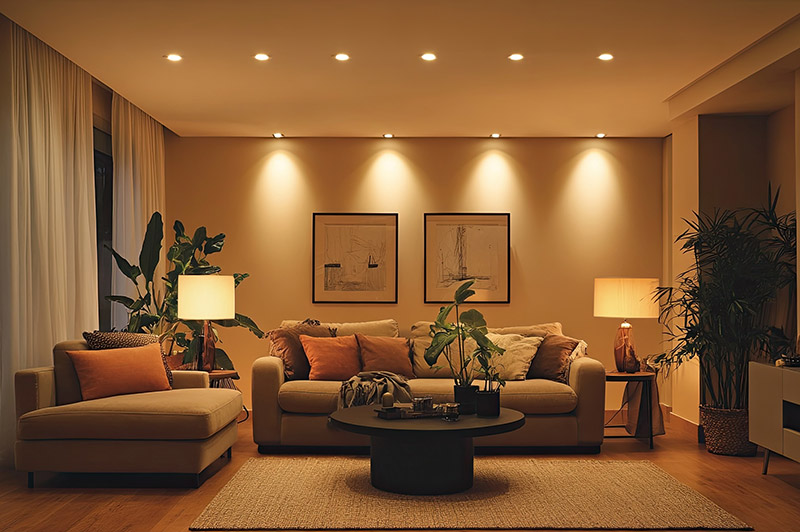
Use three types of lighting:
- Ambient – General overhead lighting
- Task – Focused lighting for activities
- Accent – Decorative or highlight lighting
A room with only a ceiling fixture often feels flat. Layering creates warmth and dimension.


Choose the Right Bulbs
Warm white (2700K–3000K) is ideal for living spaces. Cooler temperatures suit work areas. Dimmer switches add flexibility and sophistication.
Among practical interior design tips, upgrading lighting offers one of the highest visual returns.
Texture and Materials: Adding Depth and Comfort
Rooms without texture feel sterile—even if the colors are perfect.
Layer Soft and Hard Elements
Combine materials like:
- Linen and velvet
- Wood and metal
- Glass and stone
- Leather and woven fabrics
Mixing textures prevents monotony and creates visual richness.
Rugs Anchor the Room
A rug defines zones and softens hard floors. In living rooms, ensure the front legs of sofas and chairs sit on the rug for proper proportion.
These small yet impactful interior design tips elevate spaces from basic to beautifully curated.
Small Space Solutions That Maximize Every Inch
Limited square footage doesn’t mean limited style.
Use Vertical Space
Install:
- Floating shelves
- Tall bookcases
- Wall-mounted lighting
Drawing the eye upward makes ceilings appear higher.
Choose Multi-Functional Furniture
Look for:
- Storage ottomans
- Sofa beds
- Expandable dining tables
- Foldable desks
In compact homes, smart functionality is as important as aesthetics. Practical interior design tips for small spaces focus on flexibility and visual openness.
Creating Cohesion Throughout Your Home
A cohesive home doesn’t mean every room must match. Instead, there should be subtle threads connecting spaces.
Repeat Key Elements
Maintain continuity through:
- A consistent color undertone
- Similar metal finishes
- Repeated materials
- Coordinated flooring
This creates harmony without uniformity.
Transition Spaces Gracefully
Hallways and entryways set expectations. Add artwork, mirrors, or statement lighting to make transitions intentional rather than forgotten.
Consistency is one of those subtle interior design tips that separates a thoughtfully designed home from a randomly decorated one.
Personal Style: Designing a Space That Reflects You
Trends fade, but personal taste endures.
Identify What You’re Drawn To
Create a mood board of:
- Rooms you love
- Color schemes you gravitate toward
- Furniture shapes that feel right
Over time, patterns emerge. Perhaps you lean modern minimalist, cozy rustic, or eclectic contemporary.
Edit Without Fear
Clutter hides beauty. Keep pieces that hold meaning or serve purpose. Remove items that no longer resonate.
The most important interior design tips remind us that homes are deeply personal—comfort and authenticity always win over trend-chasing.
Avoiding Common Design Mistakes
Even well-intentioned decorating can miss the mark.
Hanging Art Too High
Artwork should generally sit at eye level—around 57–60 inches from the floor to the center.
Choosing Tiny Rugs
Too-small rugs shrink the visual scale of a room. When in doubt, size up.
Ignoring Storage
Visible clutter disrupts calm. Built-in shelves, baskets, and concealed cabinets maintain order without sacrificing style.
Learning from common missteps helps refine your design decisions and strengthens your understanding of foundational interior design tips.
Seasonal Refresh Ideas Without Major Renovation
You don’t need a full makeover to refresh a space.
Swap Textiles
- Lighter fabrics in summer
- Cozy throws in winter
- Seasonal cushion covers
Rotate Accessories
Update:
- Artwork
- Table centerpieces
- Indoor plants
- Decorative trays
These small updates keep interiors feeling dynamic and alive.
FAQ
Frequently Asked Questions
How often should I update my home décor?
Minor updates like textiles and accessories can change seasonally. Larger updates, such as furniture, typically last 5–10 years.
What’s the easiest way to improve a dull room?
Improve lighting, add layered textures, and introduce one bold focal point.
How do I choose the right paint color?
Test samples on different walls and observe them at various times of day before deciding.
Can I mix different design styles?
Yes, as long as there’s a common thread—like color palette or material consistency—connecting them.
What’s the biggest mistake beginners make?
Ignoring scale and buying furniture that doesn’t suit the room size.
Are neutral colors boring?
Not at all. Neutrals create calm foundations and allow textures and accents to shine.
How do I make a small room feel bigger?
Use mirrors, lighter colors, vertical storage, and minimal clutter.
Should every room have a theme?
Not necessarily a theme, but a clear design direction helps create cohesion.
Conclusion
Designing a beautiful home isn’t about perfection—it’s about intention. When you understand how color, lighting, layout, and texture work together, decorating becomes less overwhelming and more creative. The most effective interior design tips focus on balance, functionality, and authenticity rather than trends alone.
Start small. Adjust lighting. Rearrange furniture. Layer textures. With thoughtful decisions and a bit of experimentation, any space can evolve into a place that feels both stylish and deeply personal.