Introduction
There’s something deeply satisfying about walking into a home that feels just right—cozy, functional, and beautifully arranged without a single wasted corner. That’s exactly why small home designs have become more than a trend; they’re a lifestyle choice for millions of families around the world.
In a time when rising property prices and busy urban living demand smarter solutions, compact homes offer freedom, affordability, and creative flexibility. They prove that you don’t need a mansion to live comfortably—you need intention, thoughtful planning, and design that works with your daily rhythm.
Whether you’re building from scratch, renovating a tight urban plot, or simply dreaming about a more efficient lifestyle, understanding how compact living works can transform the way you see space. This guide explores practical ideas, layout strategies, interior concepts, and architectural inspiration to help you create a home that feels spacious—even when square footage is limited.
Why small home designs Are Gaining Popularity
Modern homeowners are rethinking what “enough” truly means. Bigger houses often bring higher costs, heavier maintenance, and unused rooms. Compact homes, on the other hand, prioritize purpose.
Here’s why so many people are embracing this approach:
- Lower construction and utility costs
- Easier maintenance
- Reduced environmental impact
- Faster cleaning and organization
- Stronger focus on intentional living
More importantly, smaller spaces encourage creativity. Every wall, window, and storage unit must serve a role. That constraint often leads to more thoughtful design decisions.


Compact homes also reflect changing lifestyles. Many professionals work remotely, couples delay having children, and retirees downsize after decades in larger homes. The demand for efficient layouts has reshaped architecture itself.
Core Principles Behind small home designs
Designing a smaller home isn’t about shrinking rooms randomly. It’s about maximizing usability.
Function First, Decoration Second
Every square meter must justify its existence. Instead of oversized hallways or rarely used formal rooms, layouts prioritize:
- Open-plan living areas
- Multi-purpose rooms
- Built-in storage
- Flexible partitions
When function leads, beauty naturally follows.
Open Layouts That Expand Perception
Open-plan kitchens flowing into living areas remove visual barriers. Fewer interior walls mean more light and better airflow. Even a 600-square-foot home can feel expansive when sightlines are uninterrupted.
Vertical Space Utilization
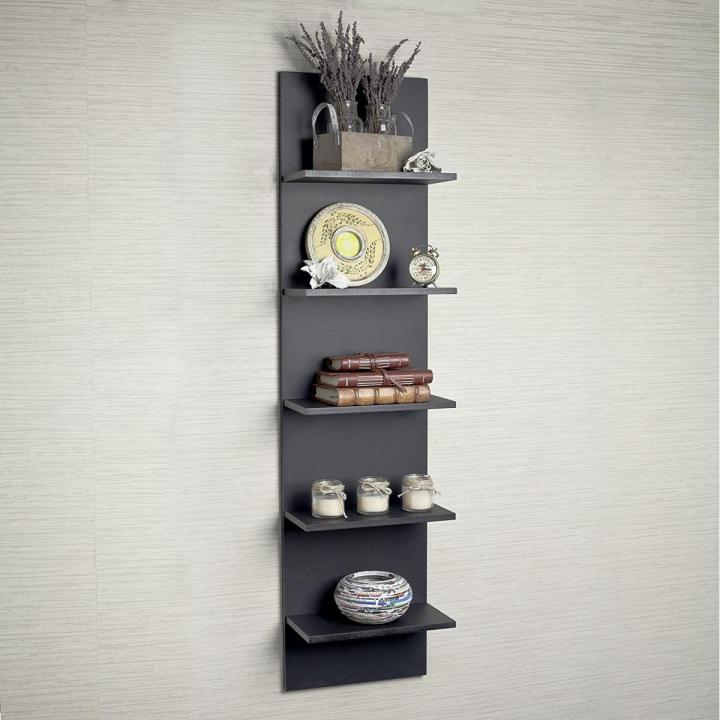
In compact homes, height becomes as important as width. High ceilings, loft bedrooms, tall shelving, and wall-mounted cabinets create storage without crowding the floor.

Natural Light as a Design Tool
Large windows, skylights, and glass doors make a small interior feel airy. Light colors amplify brightness, while reflective surfaces increase the sense of depth.
Popular Layout Types in small home designs
Choosing the right layout is often the most important decision.
Studio Layout
A studio plan merges kitchen, living, and sleeping zones into one open area. Smart zoning techniques—like rugs, lighting changes, or furniture placement—create separation without walls.
Best for:
- Singles
- Students
- Short-term rentals
One-Bedroom Compact Plan
A separate bedroom offers privacy while keeping shared spaces open. This layout suits couples or professionals working from home.
Loft-Style Micro Home
A raised sleeping loft frees ground space for daily activities. Ladder or staircase design becomes part of the aesthetic.
Courtyard-Focused Plan
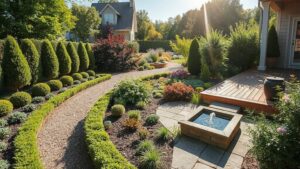
Even in limited plots, a small central courtyard enhances ventilation and natural light. This design works beautifully in warmer climates.
Interior Design Strategies That Transform Small Spaces
The inside matters as much as the architecture.
Smart Storage Solutions
Hidden storage prevents clutter. Consider:
- Under-bed drawers
- Built-in wardrobes
- Storage benches
- Fold-down desks
- Staircase cabinets
Minimal clutter equals maximum visual breathing room.
Multipurpose Furniture
Furniture that adapts is a game-changer:
- Sofa beds
- Expandable dining tables
- Nesting coffee tables
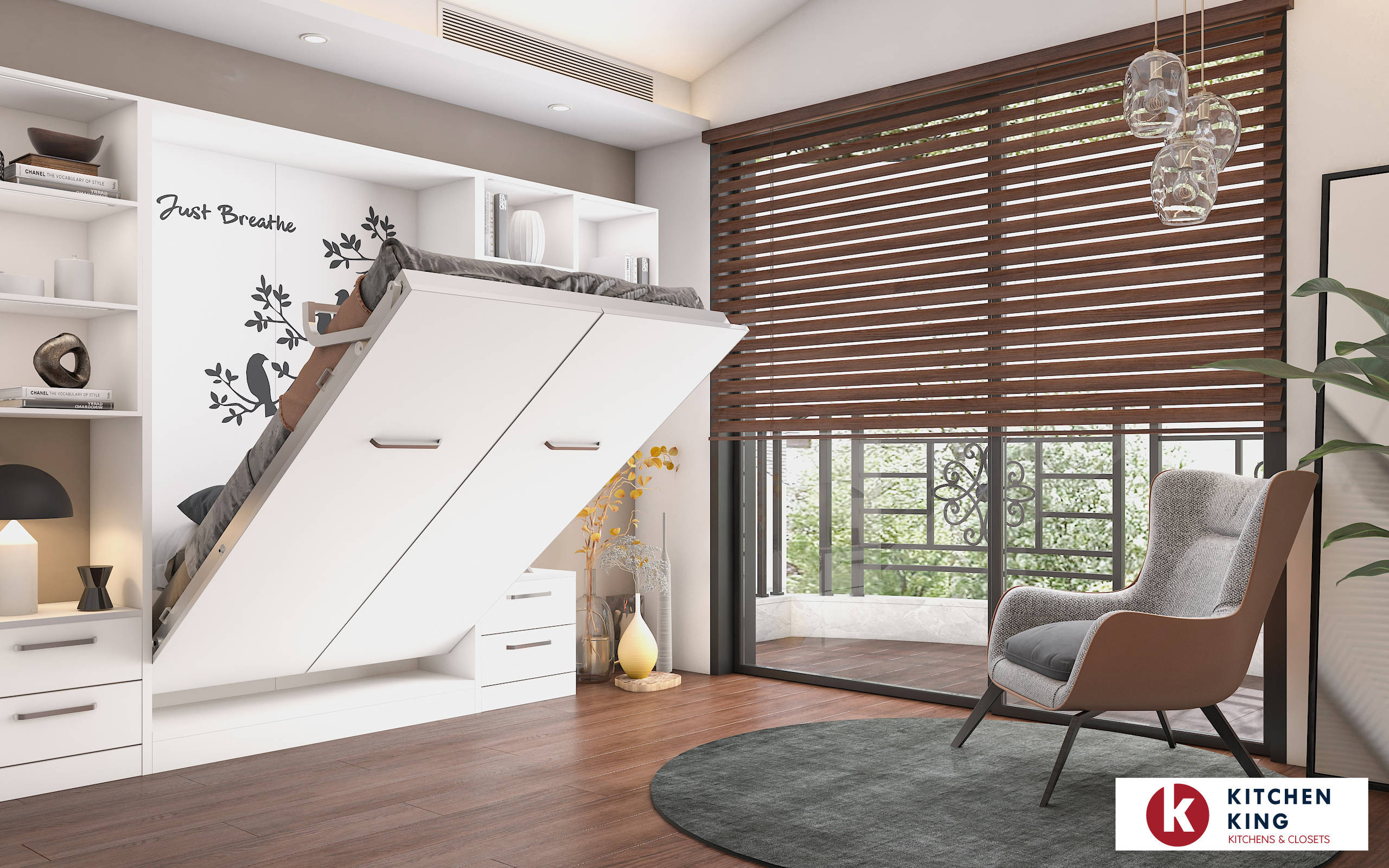
- Wall-mounted folding beds
This flexibility supports both daily living and hosting guests.

Color Psychology in Compact Homes
Light neutrals—white, beige, soft gray—make rooms appear larger. Strategic accent walls add character without overwhelming the eye.
Mirrors and Reflective Surfaces
Mirrors double visual depth. Glossy cabinets and glass partitions subtly enhance brightness.
Budget-Friendly Approaches to small home designs
Not everyone building compact homes is doing it purely for style—many are doing it for affordability.
Efficient Material Choices
- Prefabricated panels
- Lightweight steel framing
- Engineered wood
- Recycled materials
These reduce costs and construction time.
Modular Construction
Modular units are built off-site and assembled quickly. They allow flexibility and future expansion.
Smart Technology Integration
Automation isn’t only for luxury homes. Smart thermostats, compact appliances, and energy-efficient lighting reduce long-term expenses.
Sustainable Living in small home designs
Smaller houses naturally consume fewer resources—but thoughtful design amplifies this benefit.
Energy Efficiency
- Solar panels
- High-performance insulation
- Energy-efficient windows
- LED lighting systems
Water Conservation
- Rainwater harvesting
- Low-flow fixtures
- Greywater reuse systems
Reduced Carbon Footprint
Less building material equals fewer emissions. Compact living encourages responsible consumption habits.
Designing for Different Lifestyles
Families With Children
Two-bedroom layouts with convertible study areas work well. Vertical bunk beds maximize room efficiency.
Remote Workers
Dedicated work corners with sound insulation and natural light improve productivity.
Retirees
Single-floor layouts with accessible bathrooms and minimal stairs ensure safety and comfort.
Mistakes to Avoid in small home designs
Even well-intentioned projects can fall short.
- Overcrowding furniture
- Ignoring storage planning
- Choosing dark, heavy colors
- Blocking natural light
- Forgetting outdoor extensions
Balconies, terraces, or small gardens significantly enhance quality of life.
How to Plan Your Own Compact Home
Planning begins with clarity.
Step 1: Define Your Lifestyle Needs
Ask yourself:
- How many people will live here?
- Do you entertain guests often?
- Do you work from home?
Step 2: Prioritize Must-Have Spaces
List essentials before luxuries.
Step 3: Work With a Professional Designer
Architects familiar with compact layouts understand spatial efficiency better than generic builders.
FAQ
What size qualifies as a small home?
Generally, homes under 1,000 square feet are considered small, though definitions vary by region.
Are small home designs cheaper to build?
Yes, construction and maintenance costs are typically lower due to reduced materials and utility needs.
Can a small home feel luxurious?
Absolutely. High-quality finishes, clever lighting, and thoughtful layouts create a premium feel regardless of size.
How do I make a small bedroom look bigger?
Use light colors, wall-mounted lighting, mirrors, and avoid bulky furniture.
Is open-plan design necessary?
Not mandatory, but it significantly improves visual space and natural light flow.
Are compact homes suitable for families?
With proper planning, they can comfortably house small families.
What roofing works best for compact homes?
Flat roofs allow rooftop gardens or solar panels, while sloped roofs enhance ventilation.
Can I expand later?
Yes, modular designs allow phased extensions over time.
Conclusion
A well-designed compact home proves that comfort has little to do with square footage. It’s about intelligent layout, thoughtful materials, natural light, and storage that works quietly in the background. When every element serves a purpose, even modest spaces feel expansive and welcoming.
Choosing a smaller footprint doesn’t mean sacrificing beauty or lifestyle. Instead, it invites clarity—living with intention, minimizing waste, and maximizing joy within walls that truly feel like home.