
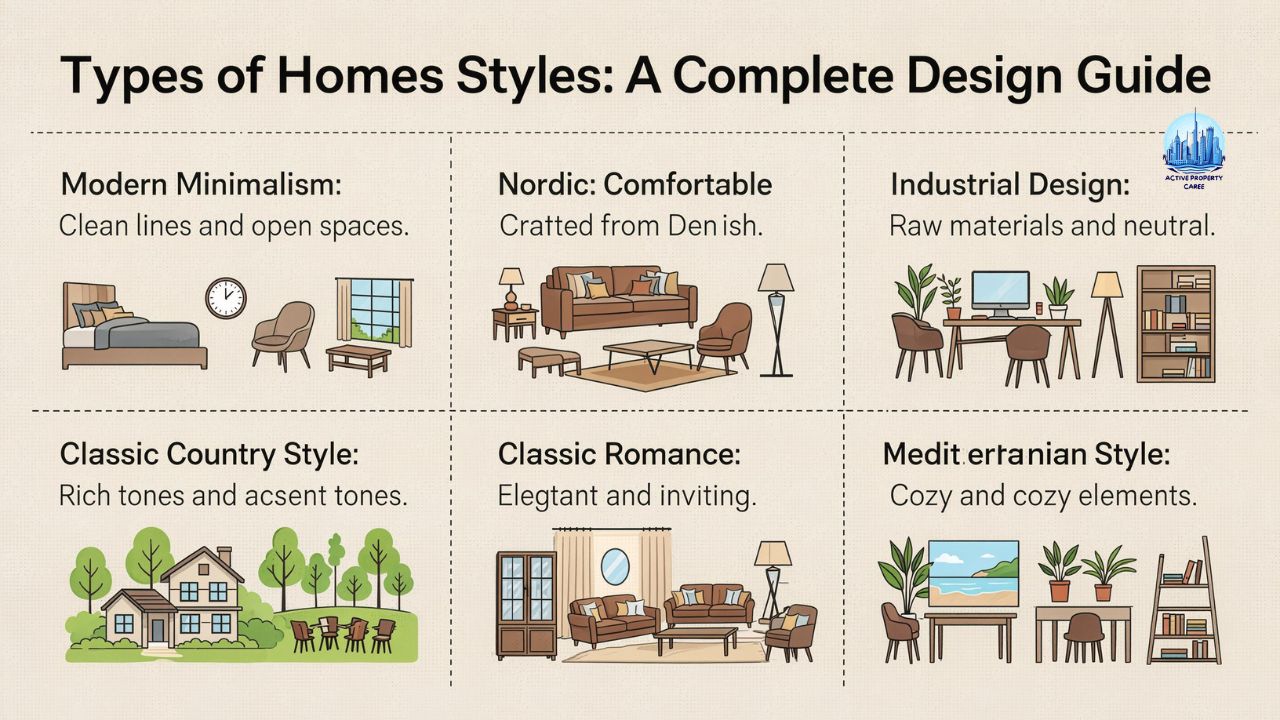
Introduction
The moment you pull up to a house, you feel something. Maybe it’s warmth, elegance, simplicity, or bold modern confidence. The different types of homes styles aren’t just architectural categories—they shape how we live, gather, rest, and express ourselves.
Whether you’re planning to build, buy, renovate, or simply dreaming about your future space, understanding architectural home styles can transform how you see neighborhoods and interiors. From timeless Colonial charm to sleek contemporary minimalism, every home style carries its own story, design language, and lifestyle implications.
In this comprehensive guide, we’ll walk through the most popular types of homes styles, explore their defining features, and help you identify which one aligns with your taste, budget, and daily life.
What Defines Different Types of Homes Styles?
Before diving into specific categories, it helps to understand what makes one home style different from another.
Architectural home styles are typically defined by:
- Roof shape and pitch
- Window size and placement
- Exterior materials (brick, wood, stucco, stone)
- Symmetry and layout
- Interior floor plans
- Decorative elements
These elements combine to create recognizable visual identities. Some styles are deeply rooted in history, while others are modern evolutions designed for today’s lifestyles.
Traditional Architectural Home Styles
Traditional homes are inspired by historical designs and often feature symmetrical façades, classic materials, and timeless details.
Colonial Style Homes


4
Colonial homes originated in the 1600s and remain one of the most recognizable types of homes styles in North America.
Key Features:
- Symmetrical façade
- Centered front door
- Multi-pane windows
- Brick or wood siding
- Formal layout with separate rooms
Colonial homes feel structured and refined. Interiors often feature fireplaces, crown molding, and traditional hardwood floors.
Victorian Homes


4
Victorian homes are ornate, dramatic, and rich in detail.
Key Features:
- Decorative trim (gingerbread details)
- Towers or turrets
- Bay windows
- Steep roofs
- Vibrant color palettes
These homes are ideal for those who love craftsmanship and bold personality in architecture.
Tudor Homes


4
Tudor homes bring European charm and storybook character.
Key Features:
- Steeply pitched roofs
- Decorative half-timbering
- Tall, narrow windows
- Brick or stone exteriors
Among classic types of homes styles, Tudor stands out for its dramatic rooflines and old-world aesthetic.
Modern and Contemporary Home Styles
Modern architecture emphasizes simplicity, open space, and functionality.
Contemporary Homes
Contemporary homes reflect current design trends rather than a fixed historical period.
Key Features:
- Clean lines
- Large glass windows
- Open floor plans
- Neutral color palettes
- Sustainable materials
These homes maximize natural light and blur the line between indoor and outdoor living.
Mid-Century Modern
Mid-century modern homes, popularized in the 1940s–1970s, are making a strong comeback.
Defining Characteristics:
- Flat or low-pitched roofs
- Floor-to-ceiling windows
- Integration with nature
- Minimal ornamentation
- Functional layouts
When comparing types of homes styles, mid-century modern appeals to those who value simplicity and retro-inspired design.
Minimalist Homes
Minimalist homes take modern design a step further by removing excess detail.
- Open, uncluttered spaces
- Monochrome color schemes
- Hidden storage
- Functional furniture
The focus is on intentional living and calm environments.
Farmhouse and Rustic Home Styles
Few styles feel as welcoming as farmhouse-inspired homes.
Modern Farmhouse

4
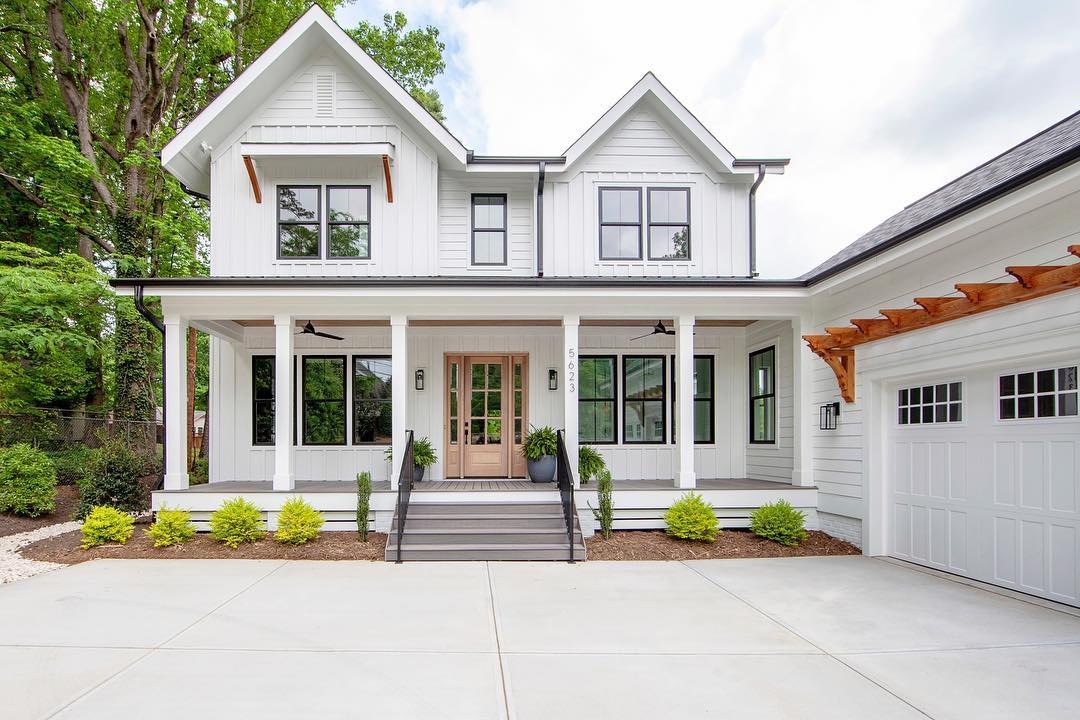
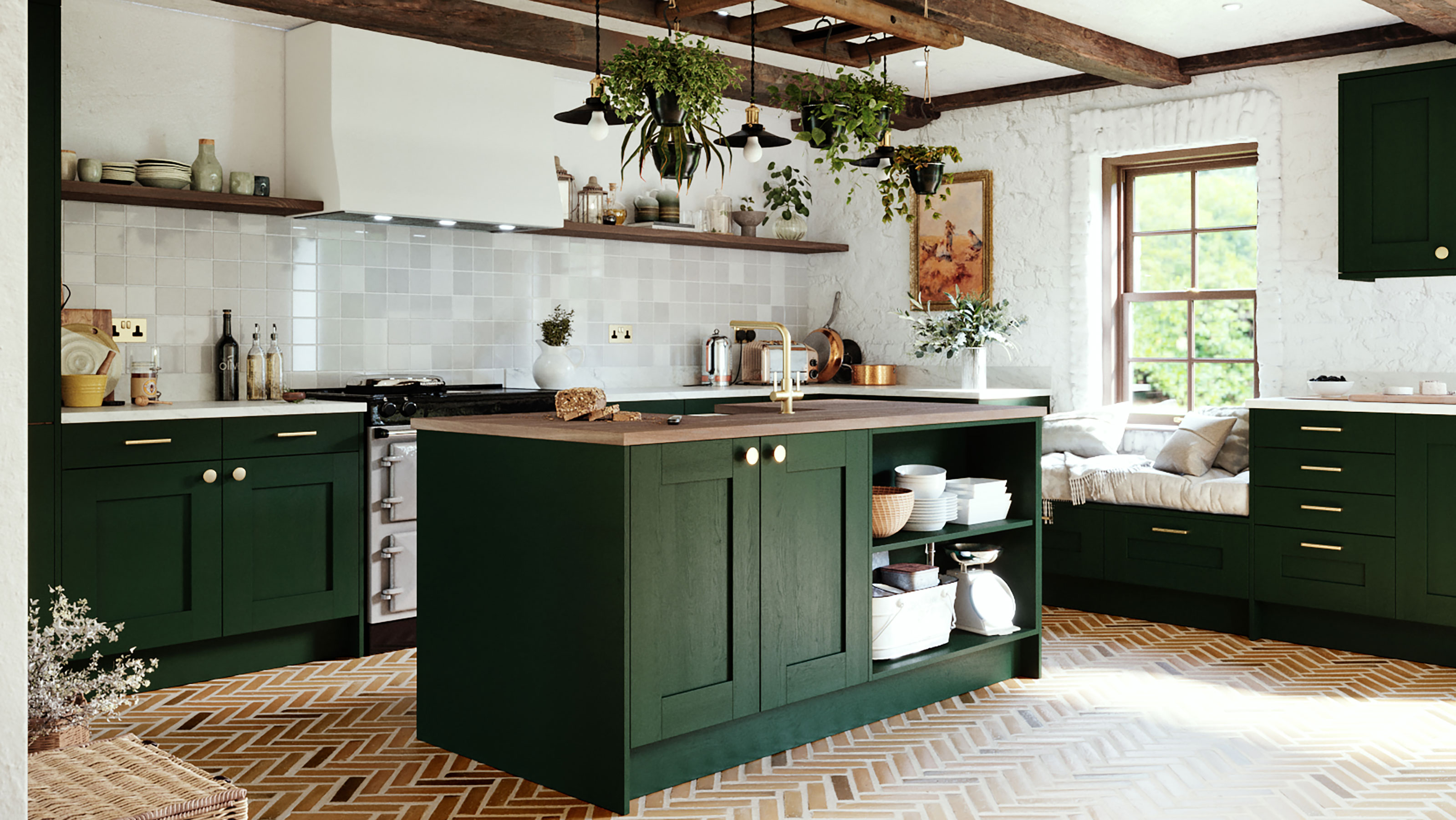
Modern farmhouse design combines rustic charm with updated finishes.
Key Features:
- White siding
- Black window frames
- Large front porches
- Barn doors
- Open kitchens
This has become one of the most sought-after types of homes styles in suburban areas.
Rustic Cabin Style
Rustic homes emphasize natural materials and cozy environments.
- Exposed wood beams
- Stone fireplaces
- Log construction
- Earth-tone palettes
Ideal for mountain or countryside settings.
Mediterranean and Coastal Home Styles
Inspired by warm climates and seaside living, these homes feel breezy and elegant.
Mediterranean Homes
- Stucco exteriors
- Red tile roofs
- Arched windows
- Courtyards
- Iron balconies
These homes are popular in warmer regions and bring European warmth to residential neighborhoods.
Coastal Homes
Designed for waterfront living, coastal homes emphasize lightness.
- Soft blue and white color schemes
- Large windows
- Elevated foundations
- Open decks
Among diverse types of homes styles, coastal homes focus heavily on maximizing views and airflow.
Urban and Compact Home Style
City living demands efficient and creative layouts.
Townhouses
Townhouses share walls with adjacent homes and maximize narrow lots.
Benefits:
- Lower maintenance
- Urban accessibility
- Multi-level layouts
Apartments and Condominiums
These homes prioritize convenience, shared amenities, and modern design.
- Compact layouts
- Shared facilities
- High-rise or mid-rise structures
They represent a growing segment of contemporary types of homes styles in metropolitan areas.
Luxury and Custom Home Styles
Luxury homes blend architectural influence with personalized design.
Mansion-Style Homes
- Expansive square footage
- Grand entrances
- Custom finishes
- Landscaping and pools
Custom-Built Modern Estates
These homes are architect-designed and highly personalized.
- Unique floor plans
- Smart home systems
- Premium materials
- Sustainable features
When discussing high-end types of homes styles, customization becomes the defining feature.
How to Choose the Right Home Style
Choosing among the many types of homes styles requires considering:
- Climate – Certain materials and roof types perform better in specific regions.
- Lifestyle – Open layouts suit social families; formal layouts offer privacy.
- Maintenance – Ornate designs may require more upkeep.
- Budget – Simpler designs typically cost less to build.
- Neighborhood Compatibility – Blending with surrounding homes can preserve property value.
It’s helpful to create a shortlist of favorite styles and compare layout functionality before making a final decision.
Interior Design and Layout Differences
Beyond the exterior appearance, types of homes styles differ significantly inside.
- Traditional homes: compartmentalized rooms
- Modern homes: open-concept spaces
- Farmhouses: large kitchens and gathering areas
- Coastal homes: light-filled living rooms
- Tudor homes: cozy, intimate interiors
The interior layout impacts how daily life flows, from entertaining guests to working remotely.
Blending Multiple Home Styles
Today, hybrid designs are increasingly popular.
You might see:
- Modern farmhouse exteriors with minimalist interiors
- Mediterranean homes with contemporary glass additions
- Colonial structures renovated into open-concept spaces
This blending approach allows homeowners to personalize types of homes styles while maintaining structural identity.
Future Trends in Residential Architecture
Home styles continue to evolve.
Emerging trends include:
- Sustainable materials
- Energy-efficient construction
- Smart home integration
- Flexible living spaces
- Multi-generational layouts
While classic types of homes styles remain popular, new builds increasingly incorporate environmental consciousness and adaptable design.
FAQ
Frequently Asked Questions
What are the most popular types of homes styles today?
Modern farmhouse, contemporary, and mid-century modern are currently among the most popular choices due to their functional layouts and aesthetic appeal.
Which home style has the highest resale value?
Resale value depends on location, but traditional Colonial and modern farmhouse homes often perform well in suburban markets.
Are modern homes more energy efficient?
Many contemporary homes are designed with sustainability in mind, incorporating better insulation, solar panels, and efficient windows.
What is the difference between modern and contemporary homes?
Modern homes refer to a specific mid-20th-century design movement, while contemporary homes reflect current architectural trends.
Which home style is best for small lots?
Townhouses, minimalist homes, and compact modern designs maximize limited space effectively.
Do traditional homes cost more to maintain?
They can, especially if they include intricate trim, older materials, or detailed craftsmanship requiring upkeep.
Can I mix different home styles?
Yes. Many homeowners blend features from different types of homes styles to create a personalized design.
What home style is best for warm climates?
Mediterranean and coastal homes are particularly suited to warm regions due to ventilation and materials.
Conclusion
Homes are more than structures—they are reflections of personality, culture, and lifestyle. Exploring the various types of homes styles opens your eyes to design details you may have overlooked before. Whether you’re drawn to the symmetry of Colonial homes, the simplicity of modern design, or the warmth of farmhouse charm, understanding architectural styles empowers you to make informed decisions.
As residential design continues to evolve, one thing remains constant: the right home style should not only look beautiful but feel right the moment you walk through the door.