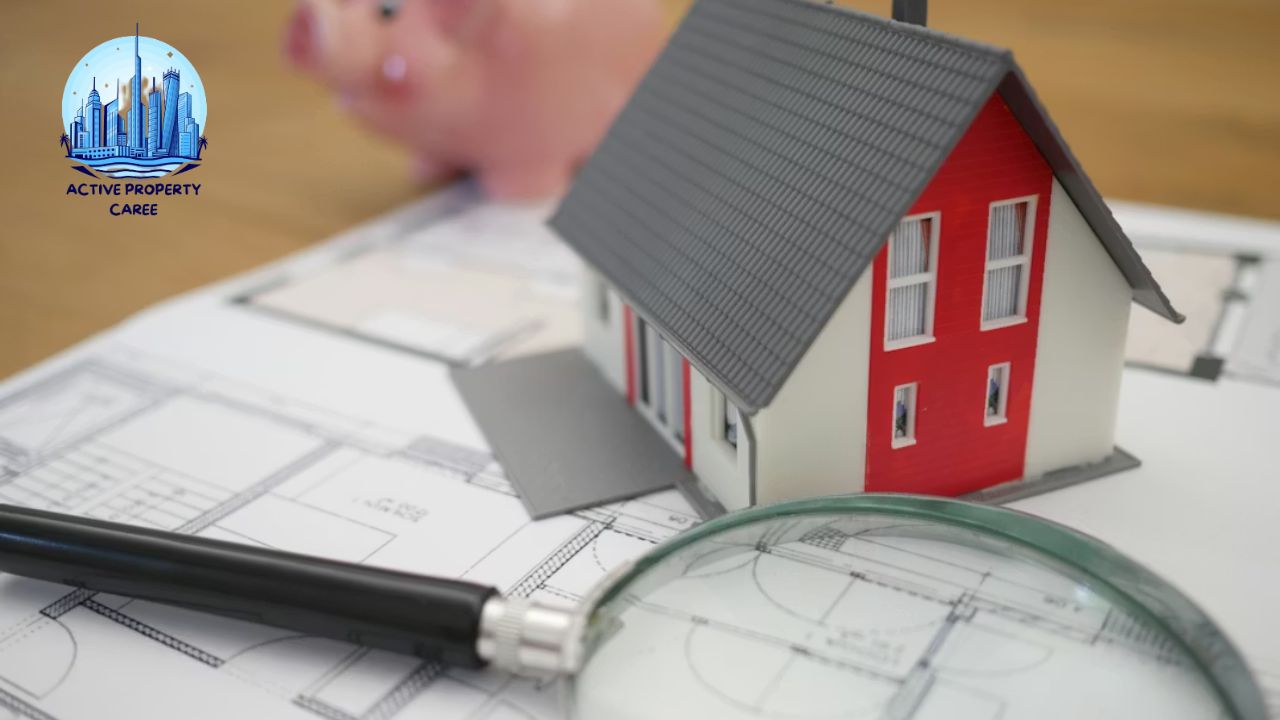
Owning property – whether it’s your first home, a rental apartment, or a small commercial building – often starts with excitement and big plans. But after the purchase papers are signed and the keys are in your hand, reality sets in: property ownership is not a one-time achievement; it’s an ongoing responsibility. The actual value of a property isn’t protected by the purchase price alone; it’s protected by how well it’s maintained over time.
I’ve met many property owners who learned this lesson the hard way. Small issues that were ignored – a minor leak, a hairline crack, a strange noise – slowly turned into expensive repairs. On the other hand, I’ve also seen owners who treated maintenance as part of their long-term strategy, and their properties didn’t just hold value; they grew in worth and appeal year after year.
Property maintenance isn’t about constant renovations or perfection. It’s about awareness, consistency, and making wise decisions before problems escalate.
Seeing maintenance as an investment, not a cost
One mental shift makes all the difference: stop seeing maintenance as an expense and start seeing it as protection for your investment. Just like regular health checkups prevent serious illness, routine property care prevents financial shock.
Many owners delay maintenance because everything seems “fine” on the surface. Walls look good, appliances work, tenants aren’t complaining. But buildings age quietly. Pipes wear down, seals weaken, and moisture builds up in places you don’t see every day.
The owners who do best financially are usually the ones who think ahead. They budget for upkeep, expect wear and tear, and plan improvements strategically rather than reactively.
Getting to know your property inside and out
One of the most underrated maintenance habits is simply knowing your property well. This doesn’t mean you need to be a professional contractor, but you should understand how things work.
Where is the main water shutoff? How old is the roof? When was the last time the electrical system was inspected? These details matter, especially in emergencies.
Walking through your property regularly with a curious eye can reveal early warning signs: damp smells, uneven flooring, tiny cracks, or doors that suddenly don’t close properly. These aren’t just annoyances; they’re messages from the building asking for attention.
Preventive care saves more than emergency fixes ever will
Emergency repairs are stressful and expensive. Preventive maintenance, by contrast, is calmer and far more affordable.
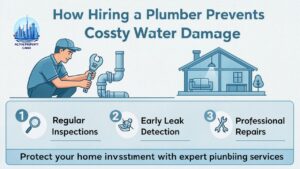
Take plumbing as an example. A slow drain or small leak might seem harmless, but left unattended, it can lead to water damage, mold, and structural issues. Addressing it early is usually simple. Waiting often multiplies the cost.
The same goes for heating and cooling systems. Regular servicing keeps them efficient, extends their lifespan, and prevents breakdowns at the worst possible times. Tenants remember when systems fail in extreme weather – and not in a good way.
Exterior maintenance: your property’s first line of defense
The outside of your property does more than create curb appeal. It protects everything inside.
Roofs, gutters, siding, and foundations are constantly exposed to weather. Minor issues here tend to grow fast if ignored. Clogged gutters can cause water to pool around the foundation. Cracked exterior walls can let moisture seep in. Loose roof tiles can cause leaks after the first heavy rain.
Regular exterior inspections, especially after storms or seasonal changes, help catch these problems early. Even simple actions like clearing debris or repainting worn areas can significantly extend the life of structural elements.
Interior upkeep that preserves value and comfort
Inside the property, maintenance directly affects livability and tenant satisfaction. Floors, walls, fixtures, and appliances all experience daily use, and gradual deterioration is normal.
The key is addressing wear before it looks neglected. Touching up paint, fixing loose handles, and replacing worn seals may seem minor, but they send a strong signal that the property is cared for.
For rental properties, this has an added benefit: tenants are more likely to respect and care for a well-maintained space. Maintenance sets the tone for how people treat your property.
Documentation: the overlooked maintenance superpower
One habit that separates organized property owners from overwhelmed ones is documentation. Keeping records of inspections, repairs, warranties, and service schedules saves time and money in the long run.
When you know exactly when something was last serviced, you can plan rather than guess. Documentation is also handy during resale, insurance claims, or disputes.
Some owners even leave simple instructions or maintenance information on-site. In shared buildings or rentals, a small notice that allows residents to create a QR code linking to maintenance guidelines or emergency contacts can streamline communication and reduce confusion.
Working with professionals without losing control
You don’t need to do everything yourself. In fact, trying to handle complex repairs without proper expertise often leads to bigger problems. Knowing when to call a professional is part of smart maintenance.
That said, staying involved matters. Ask questions, understand what’s being fixed and why, and keep records of the work done. A good contractor appreciates an informed owner and is more likely to do quality work when they know you’re paying attention.
Building long-term relationships with reliable professionals – plumbers, electricians, inspectors – creates consistency and trust. Over time, they get to know your property, which improves the quality of their advice.
Maintenance planning for rental property owners
If your property generates rental income, maintenance directly affects profitability. Deferred maintenance might improve short-term cash flow, but it almost always reduces long-term returns.
Vacancies increase when properties feel neglected. Turnover costs rise when issues pile up. On the flip side, well-maintained rentals attract better tenants who stay longer and report problems early.
Clear communication helps here, too. Some landlords use digital systems that allow tenants to report issues easily. Even something as simple as a printed notice encouraging tenants to create a QR code access point for maintenance requests can improve response time and prevent minor issues from escalating.
Adapting maintenance to the property’s age
Newer properties need different care than older ones. In newer buildings, the focus is often on monitoring systems and addressing early defects. In older properties, maintenance is more about preservation and gradual upgrades.
Understanding the lifecycle of principal components – roofs, plumbing, electrical systems – helps you plan financially. Replacing or upgrading systems proactively is almost always cheaper than waiting for failure.
Older properties, when maintained thoughtfully, often gain character and value. Neglect, however, accelerates decline.
Sustainability and maintenance go hand in hand.
Modern property maintenance isn’t just about fixing problems; it’s also about efficiency. Energy-efficient upgrades, water-saving fixtures, and better insulation reduce operating costs and make properties more attractive to buyers and tenants.
Sustainability-focused maintenance isn’t just good for the environment – it’s good business. Over time, these improvements pay for themselves and future-proof your investment against rising utility costs and changing regulations.
Conclusion:Protectt today to benefit tomorrow
Property maintenance isn’t glamorous, but it’s one of the most powerful tools you have as an owner. It protects your financial investment, preserves comfort and safety, and gives you control over long-term outcomes.
You don’t need to do everything at once. Start by paying attention. Build habits. Document what you do. Address minor issues early. Over time, these choices compound into real value.
A well-maintained property tells a story of care, foresight, and responsibility. And whether you plan to live in it, rent it out, or sell it one day, that story is what ultimately protects and grows your investment.